

Can I install a galvanized pipe gas line myself?
Jul 08, 2025
As a seasoned supplier of galvanized pipes for gas lines, I often encounter customers who are eager to take on DIY projects to save time and money. One of the most frequently asked questions is, "Can I install a galvanized pipe gas line myself?" This blog aims to provide a comprehensive answer to this question, weighing the pros and cons, and offering guidance on making an informed decision.
Understanding Galvanized Pipes for Gas Lines
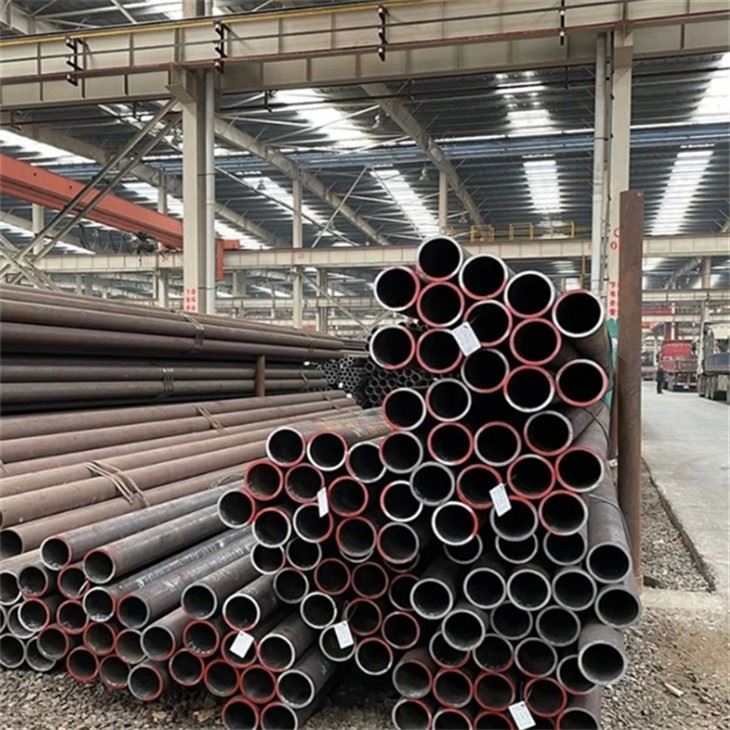
Before delving into the installation process, it's essential to understand what galvanized pipes are and why they are used for gas lines. Galvanized pipes are steel pipes coated with a layer of zinc to prevent corrosion and rusting. This protective coating extends the lifespan of the pipes, making them a popular choice for gas line installations. At our company, we offer a range of high-quality galvanized pipes, including Seamless ASTM 5140 Carbon Steel Tube, ASTM A53 Galvanized Steel Pipe, and Q235B Galvanized Steel Pipe, all of which meet industry standards for gas line applications.
The Pros of DIY Gas Line Installation
Cost Savings
One of the primary reasons homeowners consider installing a gas line themselves is cost savings. Hiring a professional plumber can be expensive, especially for smaller projects. By doing the installation yourself, you can save on labor costs and potentially reduce the overall project budget.
Learning Experience
Installing a gas line can be a valuable learning experience. It allows you to gain a better understanding of your home's plumbing system and develop new skills. You'll learn about pipe sizing, fitting connections, and safety procedures, which can be useful for future DIY projects.
Flexibility
When you install a gas line yourself, you have more control over the project timeline and can work at your own pace. You can choose the materials that best suit your needs and preferences, and make adjustments as needed.

The Cons of DIY Gas Line Installation
Safety Risks
Gas is a highly flammable and potentially dangerous substance. Improper installation of a gas line can lead to gas leaks, which can cause fires, explosions, and health hazards. Gas leaks can also be difficult to detect, as gas is odorless and colorless. Professional plumbers are trained to install gas lines safely and follow strict safety codes and regulations to minimize the risk of accidents.
Code Compliance
Gas line installations are subject to local building codes and regulations. These codes are in place to ensure the safety of the installation and protect the occupants of the building. Professional plumbers are familiar with these codes and can ensure that your gas line installation meets all the necessary requirements. If you install a gas line yourself and it does not meet code requirements, you may face fines, penalties, or even have to redo the installation.
Warranty and Insurance
When you hire a professional plumber to install a gas line, they typically offer a warranty on their workmanship. This means that if there are any issues with the installation, they will come back and fix them at no additional cost. Additionally, professional plumbers are insured, which provides protection in case of any accidents or damages that occur during the installation process. If you install a gas line yourself and something goes wrong, you may not have the same level of protection.
When to Hire a Professional
Complex Installations
If your gas line installation is complex, such as a large commercial project or a multi-story building, it's best to hire a professional plumber. They have the experience, tools, and knowledge to handle complex installations safely and efficiently.
Lack of Experience
If you have little or no experience with plumbing or gas line installations, it's not recommended that you attempt to install a gas line yourself. Gas line installations require specialized skills and knowledge, and one mistake can have serious consequences.
Safety Concerns
If you have any concerns about the safety of your gas line installation, it's always best to hire a professional. They can conduct a thorough inspection of your gas line and ensure that it is installed correctly and safely.
Tips for a Successful DIY Gas Line Installation
If you decide to install a gas line yourself, here are some tips to help you ensure a successful installation:
Educate Yourself
Before you start the installation process, take the time to educate yourself about gas line installations. Read up on local building codes and regulations, and familiarize yourself with the tools and materials you'll need. You can also watch online tutorials or attend a plumbing class to learn the basics of gas line installation.
Gather the Right Tools and Materials
Make sure you have all the necessary tools and materials before you start the installation. This includes galvanized pipes, fittings, a pipe cutter, a pipe wrench, and a gas leak detector. Using high-quality materials is essential to ensure the safety and longevity of your gas line.
Plan the Installation
Before you start cutting pipes and making connections, take the time to plan the installation. Measure the distance between the gas source and the appliances, and determine the best route for the gas line. Make sure the gas line is installed away from heat sources, electrical wires, and other potential hazards.
Follow Safety Procedures
Safety should be your top priority when installing a gas line. Always wear protective gear, such as gloves and safety glasses, and follow all safety procedures. Use a gas leak detector to check for leaks after each connection is made, and make sure the gas is turned off before making any adjustments or repairs.
Test the System
Once the gas line is installed, it's important to test the system for leaks. Turn on the gas and use a gas leak detector to check for leaks at all the connections. If you detect a leak, turn off the gas immediately and make the necessary repairs.
Conclusion
In conclusion, while it is possible to install a galvanized pipe gas line yourself, it's not recommended for everyone. DIY gas line installation can save you money and provide a valuable learning experience, but it also comes with significant safety risks and potential legal issues. If you have the necessary skills, experience, and knowledge, and are willing to follow strict safety procedures, you may be able to install a gas line yourself. However, if you have any doubts or concerns, it's always best to hire a professional plumber.
At our company, we are committed to providing high-quality galvanized pipes for gas line installations. Whether you're a professional plumber or a DIY enthusiast, we have the products and expertise to meet your needs. If you have any questions or would like to learn more about our products, please don't hesitate to contact us. We look forward to working with you on your next gas line installation project.
References
- International Association of Plumbing and Mechanical Officials (IAPMO). (Year). Plumbing Code.
- National Fire Protection Association (NFPA). (Year). NFPA 54: National Fuel Gas Code.
- Local Building Codes and Regulations. (Year). Check your local government website for specific requirements.