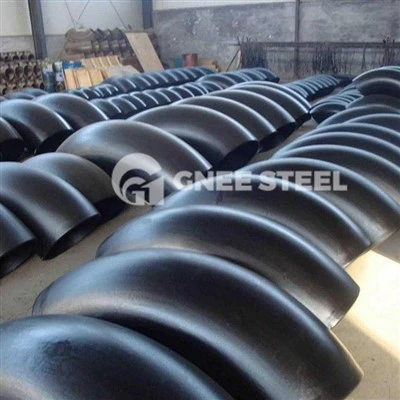
Steel Pipe Fitting

Your Professional Steel Pipe Fitting Manufacturer in China!
 

Gnee Steel (tianjin) Co., Ltd is a supply chain integrated enterprise including steel plate, coil, profile, outdoor landscape design and processing. Founded in 2008, with 5 million RMB registered capital, Gnee has made impressive progress and development in steel market with Gnee People more than 18 years hard fighting. The company has always focused on providing quality products and excellent customer service and has earned a good reputation in the industry. In the future, the company will continue to invest in technology and equipment to further improve production capacity and product quality.


Why Choose Us
 

Advanced Equipment

We have comprehensive and professional equipment including: cold rolling mills, hot rolling mills, various welding equipment, cooling equipment and testing equipment.

Broad Market

We have cooperation partners in 160 countries and regions around the world, with more than 18 major partners, and have received consistent praise from them.

Quality Control

Our factory's products are produced using domestic advanced production technology and independent research and development processes, and have passed ISO90001 quality management system certification and safety production standardization construction.

Perfect Service System

We provide one-to-one service. If you have any questions, you can contact us at any time and we will provide you with professional answers and suggestions.

Rich Experience

Our company was established in 2008 and has 18 years of experience in the industry. And the factory has more than 200 experienced employees.

Certification

We have passed qualification certification in many countries and have multiple certification certificates.


First 1234567 Last 1/12

Introduction of Steel Pipe Fitting


A steel pipe fitting is a piece of steel used to connect separate sections of pipe together. Fittings can be used to extend lengths of pipe or to create angles in a piping system, and they're necessary to regulate and manipulate the flow of air or fluid. Steel pipe fittings come in a variety of shapes and styles including tees, adapters, elbows, couplings, unions, reducers, and more.


Two Types of Steel Pipe Fitting
 

Flange

Flanges are used to connect pipes with each other, to valves, to fittings, and to specialty items such as strainers and pressure vessels. A cover plate can be connected to create a "blind flange". Flanges are joined by bolting, and sealing is often completed with the use of gaskets or other methods. Mechanical means to mitigate effects of leaks, like spray guards or specific spray flanges, may be included. Industries where flammable, volatile, toxic or corrosive substances are being processed have greater need of special protection at flanged connections. Flange guards can provide that added level of protection to ensure safety.

Large Size Caps

Large size caps act as protective device and are designed to protect pipe ends of various shapes. The main purpose of using pipe caps is to waterproof the connections. They are also used to close the ends of hydraulic or pneumatic pipes and tubes. They are used in the plumbing apparatus of domestic, commercial and industrial water supply lines, machinery and processing equipment etc. Furthermore, they are also fitted on water pump lines with the sole purpose of removing air blocks. Pipe caps are highly demanded as an important category of pipe fittings.


Types of Flange

Blind Flange
A blind flange is a flat plate with bolt holes that is used to close the end of a piping system. It is commonly used in applications where future expansion or maintenance may be required. Blind flanges are also used to cap off pipes or valves that are not in use. They are available in a range of sizes and materials to suit different applications.

Weldneck Flange
A weldneck flange is a type of flange that has a long tapered hub and a neck that is welded to the pipe. The neck provides reinforcement to the pipe and allows for easy alignment during installation. Weldneck flanges are commonly used in high-pressure applications or in pipelines that carry corrosive fluids. They are available in various sizes and materials.

Slip on Flange
A slip-on flange is a flat plate with a bore that slips over the end of a pipe. The flange is then welded to the pipe, creating a secure and leak-proof joint. Slip-on flanges are commonly used in low-pressure applications or in pipelines that carry non-corrosive fluids. They are available in a range of sizes and materials.

Socket Weld Flange
A socket weld flange is a type of flange that is welded to the pipe using a socket weld connection. The socket weld connection provides a high-strength joint and allows for easy alignment during installation. Socket weld flanges are commonly used in high-pressure applications or in pipelines that carry corrosive fluids. They are available in various sizes and materials.

Threaded Flange
A threaded flange is a type of flange that has threads on the inside bore and outside diameter. The flange is screwed onto the pipe, creating a secure and leak-proof joint. Threaded flanges are commonly used in low-pressure applications or in pipelines that carry non-corrosive fluids. They are available in a range of sizes and materials.

Lap Joint Flange
A lap joint flange is a type of flange that is used with a stub end. The stub end is welded to the pipe, and the lap joint flange is bolted to the stub end. Lap joint flanges are commonly used in applications where frequent disassembly is required. They are available in various sizes and materials.

Long Weldneck Flange
A long weldneck flange is similar to a weldneck flange, but it has a longer neck. The longer neck provides additional reinforcement to the pipe and allows for easy alignment during installation. Long weldneck flanges are commonly used in high-pressure applications or in pipelines that carry corrosive fluids. They are available in various sizes and materials.


Key Features of Flanges
Flange

Material

Flanges are typically made from corrosion-resistant stainless steel alloys, which contain iron, chromium, nickel, and other alloying elements. The choice of stainless steel ensures resistance to corrosion, oxidation, and rust.

Threaded Flange

Types

There are various types of stainless steel flanges, each designed for specific applications. Common types include weld neck, slip-on, socket weld, threaded, blind, and lap joint flanges.


Threaded Flange

Design

Flanges are designed with boltholes, allowing them to be bolted to another flange or a connecting component. The number and size of boltholes depend on the flange type and its size.


Flange

Facings

The flange facing, which comes into contact with the gasket and the mating flange, is machined to provide a smooth and flat surface. Common facing types include raised face, flat face, and ring joint face.


Main Intended Uses of Flanges


Connecting Pipes and Fittings

Flanges are used to join pipes, valves, fittings, and other components in a pipeline system. They provide a secure and leak-tight connection, allowing for easy assembly and disassembly of system components. Flanges are commonly bolted together, creating a strong and reliable joint.

Facilitating Maintenance and Repairs

Flanges make it easier to access and service components within a pipeline system. When a section of the system needs maintenance or repair, the flanges can be unbolted, allowing for the removal and replacement of the affected components without disassembling the entire system.

Providing a Leak-Tight Seal

When properly assembled, the flanges create a leak-tight seal, ensuring that fluids or gases do not escape from the system. Gaskets or other sealing materials are often placed between the flange faces to enhance the seal.

Allowing for Inspections and Cleaning

Flanges provide access points for inspections and cleaning processes. In applications where regular inspections or cleaning are necessary, flanged connections simplify these procedures.

Creating Branch Connections

Weld neck flanges and other types of flanges with outlets or taps can be used to create branch connections in a pipeline system. This is often necessary for diverting or splitting the flow of fluids into different directions.

Supporting Pressure and Load

Flanges are designed to withstand internal pressure, external forces, and the weight of the connected components. They help maintain the integrity of the pipeline system under various operating conditions.

Aligning and Centering Components

Flanges help align and center pipes, valves, and equipment during assembly, ensuring that the components are properly positioned for efficient and effective operation.

Dissipating Thermal Stresses

In high-temperature applications, flanges can help dissipate thermal stresses, preventing deformation or damage to the pipeline system due to expansion and contraction caused by temperature fluctuations.

Providing Electrical Grounding

In certain industrial settings, flanges are used to ensure electrical grounding or to prevent the buildup of static electricity, contributing to safety and compliance with industry standards.


What Should be Considered When Choose Flange
 

Material
Flanges can be made from carbon steel, stainless steel, and alloy steel. The material of the pipe flange is critical because it must be compatible with the fluid being conveyed. The same applies to the temperature and the environment in which it will be used.


Size
Selecting the right size for flanges guarantees an ideal fit and prevents leaks. To achieve this, match the inside diameter to the pipes it connects.


Pressure Rating
The pressure rating indicates the maximum pressure the flange can sustain without failing. Therefore, selecting a flange with a pressure rating corresponding to the fluid's pressure is critical.


Face Type
The face type determines how the flange will seal with the gasket. Flanges come in different face types, including flat face, raised face, and ring-type joint. The flat face flange is suitable for low-pressure applications, while the raised face flange is suitable for high-pressure applications. The ring-type joint flange is used in extremely high-pressure applications.


Connection Type
The connection type of the flange must match the connection type of the equipment it will be used to connect.


Types of Large Size Caps


ASTM A105ASTMA182 Threaded Cap

Threaded End Cap Pipe Fittings

The threads on these caps are female. The thread, commonly known as an NPT, can be straight or tapered. Often, plugs have a male thread, whereas caps often have a female thread. Threaded Pipe Caps assist in resisting repeated tightening cycles that cause threads to loosen during drilling. Depending on the needs, a threaded end cap can be screwed or welded on a pipe.

Carbon Steel Pipe Cap

Tapered End Cap Pipe Fittings

These hats' tapering sides provide a snug fit. Some of these fittings have two different uses: as plugs or as caps. Male and female NPT threads, straight tubes and bars, and male straight threads all work well with tapered caps and plugs due to their versatility. These fittings have a tapered body to offer a solid friction fit and to make removal simple.

ASTM A234MSS SP75 ASTM A403 bw cap

Anti-roll End Cap Pipe Fittings

These caps have a somewhat square end and a circular shape. Rolling pipes and tubes are stopped as a result. When shipping expensive merchandise at work or on the job, anti-roll caps can be used to safeguard the ends of a shaft, tube, pipe, fitting, connector, screw, bar, or any other shape. They are a specially designed vinyl plastic cap with square ends to prevent rolling.


Advantages of Using Large Size Cap


Prevents leaks and corrosion
One of the primary benefits of using large size caps is that they prevent leaks. When pipes are left exposed without caps, they are susceptible to corrosion. Corrosion will wear down the pipes, rendering them ineffective and prone to leaks. With large size caps, pipes are sealed off, protecting them from corrosion, which can lead to leaks.

Cost-Effective solution
Large size caps are a cost-effective solution for construction and infrastructure projects. They are easy to install and require little to no maintenance, making them a more cost-effective solution than other fittings. Also, large size caps prevent extensive repairs, which can be very expensive.

Ideal for Temporary Applications
Large size caps are ideal for temporary construction projects like testing or installing pipelines. Instead of cutting and welding, temporary installation of pipes can be done quickly using large size caps.

It fits various shapes and sizes of pipes
Unlike other pipe fittings, large size caps can seal pipes of various sizes and shapes, including circular, rectangular, oval, and square. One fitting can be used for numerous pipes of different sizes and shapes with end cap fittings.

Environmentally Friendly
Large size caps are environmentally friendly as they reduce environmental pollution by preventing leaks. Leaks could lead to the discharge of hazardous material that can harm the environment and human health. Large size caps prevent such pollution.


How to Maintain Large Size Cap


Keep Your Large Size Caps Clean
One of the most important things you can do to maintain your large size caps is to keep them clean. This means removing any dirt, debris, and other particles that may have accumulated on the surface of the fittings. You can do this by using a soft cloth or a brush. If necessary, you can also use a mild detergent solution to help remove any stubborn stains. Rinse the fittings thoroughly after cleaning to remove any soap residue.

Apply a Protective Coating
Another key way to protect your large size caps is by applying a protective coating to the surface. This can help to prevent corrosion and other forms of damage over time. You can use a variety of coatings, including paint, epoxy, and polyurethane. If you're not sure which type of coating is best for your fittings, speak to a professional or consult the manufacturer's recommendations.

Inspect Large Size Caps Regularly
To catch any signs of wear and tear early, it's important to inspect your large size caps regularly. Look for signs of corrosion, cracks, or other types of damage. If you notice any issues, address them as soon as possible to prevent the damage from worsening.

Handle Them With Care
To avoid damaging your large size caps, handle them carefully when installing or removing them. Never use excessive force or pressure, as this can cause them to become misaligned or crack. Also, use the correct tools and equipment when working with these large size caps to avoid damaging them accidentally.

Seek Professional Help
If you're unsure how to properly maintain your large size caps or notice any issues you can't resolve, don't hesitate to seek professional help. A qualified technician can inspect your fittings and guide you on maintaining them properly, ensuring they function optimally for many years.


Our Factory


As a well-known steel pipe manufacturer and supplier in China, our factory has multiple steel pipe production lines, including 5 hot-rolled seamless steel pipe production lines, 3 cold-rolled seamless steel pipe production lines, 8 stainless steel pipe production lines, and 6 resistance welded pipe production lines, 5 capacitor welded pipe production lines, 3 3PE anti-corrosion processing production lines, 2 2PE anti-corrosion processing production lines, 2 galvanizing processing production lines, etc.

productcate-1-1
productcate-520-325
productcate-520-325
productcate-520-325
productcate-520-325
productcate-520-325


Our Certification


productcate-1-1
productcate-1-1
productcate-1-1
productcate-1-1


Ultimate FAQ Guide to Steel Pipe Fitting


Q: How tight should steel pipe fittings be?

A: The wrench tight thread engagement point for NPT and NPTF fittings smaller than 1 inch is typically about 1-1/2 to 3 turns. Wrench tight for fittings from 1 inch to 2 inches is about 1 to 2-1/2 turns.

Q: How does a Steel Pipe Tee work?

A: It has an inlet, and two separate outlets. In other words, it splits one pipe into two; like a fork in the road. Similarly, tee is a pipe that allows you to redirect your standard input to two separate outputs.

Q: What is the standard for pipe flanges?

A: ASME B16. 5 is the most common use standard specification for manufacturing cast and forged steel pipe flange and flanged fittings.

Q: What is the gap between pipe and flange?

A: For welding Neck and Lap Joint Stub and Flange applications an initial root gap spacing between pipe and flange should be 1/16" to 1/8". The first bead must penetrate uniformly to the inside wall of the assembly thus assuring a strong joint.

Q: Why are flanges so thick?

A: The thickness of an steel flange is determined by several factors, including the size and pressure rating of the piping system, the type of fluid or gas being transported, and the temperature and pressure conditions under which the system will operate.

Q: How far to insert a pipe into a slip on flange?

A: The slip-on flange is positioned so the inserted end of the pipe or fitting is set back or short of the flange face by the thickness of the pipe wall plus 1/8 of an inch.

Q: How does a flange connect to a pipe?

A: Flanges are used to bolt piping components together, such as pipes, valves, fittings, pressure components, and more. Joining is done using bolts that join two parts together, with a gasket in between to ensure the connection is leak-free.

Q: How to Install Flanges?

A: Here are some steps to follow when installing stainless steel flanges:
Clean the surface of the flange and the pipe to remove any dirt, grease, or rust.
Align the flange with the pipe and ensure that the boltholes line up.
Insert the bolts and tighten them gradually, alternating between bolts to ensure even pressure.
Apply a sealant or gasket between the flange faces to ensure a tight seal. 5. Check for leaks and tighten the bolts if necessary.

Q: What are Differences between Stainless Steel Flanges and Carbon Steel Flanges

A: Stainless steel flanges and carbon steel flanges are both used in industrial applications, but they have some key differences. The main difference is that stainless steel flanges are more resistant to corrosion, making them ideal for applications that require high levels of corrosion resistance. Carbon steel flanges, on the other hand, are less expensive and ideal for applications that do not require high levels of corrosion resistance.

Q: Can flanges be used in corrosive environments?

A: Yes, flanges are resistant to corrosion and can withstand harsh environments and corrosive fluids.

Q: How often should flanges be inspected?

A: Flanges should be inspected regularly for signs of wear, corrosion, or damage. The frequency of inspections will depend on the application and the level of use.

Q: What is the difference between a pipe plug and a large size cap?

A: Pipe plugs have male threads and are screwed internally into the end of a pipe. In contrast, large size caps have female threads and are screwed onto the outside of the pipe.

Gnee Steel (Tianjin) Co., Ltd. is one of the most professional steel pipe fitting manufacturers and suppliers in China, specialized in providing high quality customized service. We warmly welcome you to wholesale discount steel pipe fitting for sale here and get free sample from our factory. Good service and low price are available.

Alloy Steel Tee, pipe fitting advantage, ASTM A234

(0/10)

clearall