Welded Pipe Carbon Steel Pipe

Your Professional Welded Pipe Carbon Steel Pipe Manufacturer in China!
 

Gnee Steel (tianjin) Co., Ltd is a supply chain integrated enterprise including steel plate, coil, profile, outdoor landscape design and processing. Founded in 2008, with 5 million RMB registered capital, Gnee has made impressive progress and development in steel market with Gnee People more than 18 years hard fighting. The company has always focused on providing quality products and excellent customer service and has earned a good reputation in the industry. In the future, the company will continue to invest in technology and equipment to further improve production capacity and product quality.


Why Choose Us
 

Advanced Equipment

We have comprehensive and professional equipment including: cold rolling mills, hot rolling mills, various welding equipment, cooling equipment and testing equipment.

Broad Market

We have cooperation partners in 160 countries and regions around the world, with more than 18 major partners, and have received consistent praise from them.

Quality Control

Our factory's products are produced using domestic advanced production technology and independent research and development processes, and have passed ISO90001 quality management system certification and safety production standardization construction.

Perfect Service System

We provide one-to-one service. If you have any questions, you can contact us at any time and we will provide you with professional answers and suggestions.

Rich Experience

Our company was established in 2008 and has 18 years of experience in the industry. And the factory has more than 200 experienced employees.

Certification

We have passed qualification certification in many countries and have multiple certification certificates.


First 1234567 Last 1/44

Introduction of Welded Pipe Carbon Steel Pipe


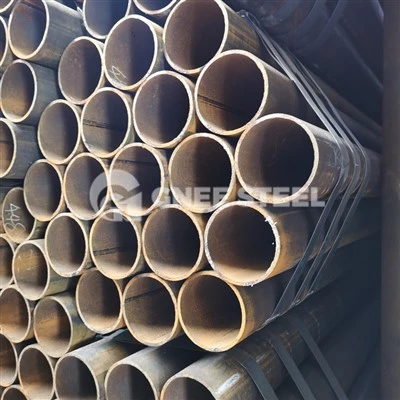
Welded pipe carbon steel piping is formed from an originally flat piece of carbon steel. The piece of carbon steel is rolled and welded creating a welded seam going a long ways down your piece of carbon steel tubing or piping. The weld is formed by using a high energy source to melt the local metal together. Thus creating a weld bead when squeezed together. Some seams are manipulated to become more flush with the piping, while others are sold "as-weld" meaning they are left how they are welded with no further processing to the carbon steel.


Types of Welded Pipe Carbon Steel Pipe

Electric-Resistance Welded Pipe (ERW)
ERW pipe is produced through a process of cold-forming a sheet of carbon steel into the shape of a cylinder. Electrical current is passed through the sheet's edges to heat it to the degree required to join and bond those edges. ERW pipe does not require the use of welding filler material. It can either be produced using high or low frequency. ERW pipe is strong, and its seams are often barely detectable.

Longitudinal Welded Pipe (LSAW or DSAW)
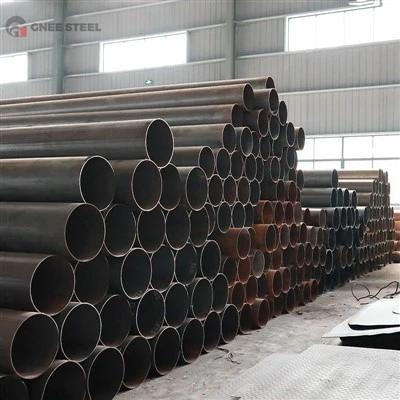
LSAW pipe is produced by cold-forming a heavy carbon steel plate. This method of production results in a straight seam that extends across the entire length of the pipe externally. DSAW pipe follows a similar process but is double-submerged and results in a seam that extends across both the external length of the pipe and the internal length of the pipe. LSAW and DSAW pipes are generally sized between 12m and 20m. The quality and strength of this welding technique is quite impressive, and both LSAW and DSAW pipes are appropriate for applications that require high-pressure resistance.

Spiral Welded Pipe
This pipe is welded by winding either a steel plate or HR coil into a spiral shape. Spiral welded pipe may also be referred to as helical submerged arc welded (HSAW) pipe. Spiral welded pipe can reach particularly long lengths and result in a notable degree of thickness. Production of spiral welded pipe is usually fairly quick, efficient, and affordable.


Benefits of Welded Pipe Carbon Steel Pipe


Tough Material
All steel alloys are made of iron and carbon to create a strong molecular structure. This results in high tensile strength and hardness that makes steel a popular choice in many projects. In the case of carbon steel, it has a higher level of carbon in relation to iron compared to other types of steel. The addition of more carbon increases the overall strength of carbon steel, which makes it the preferred option in many applications. Welded pipe carbon steel pipes are available in various thicknesses and diameters, so you can choose the right specifications for your needs.

Durability
There are two main types of carbon steel — low-carbon steel and high-carbon steel. Low carbon steel is softer but can be welded with ease, so they're often used in making welded pipes. On the other hand, high carbon steel is stronger and harder so it can withstand a significant amount of force before you notice any deformation. This also makes it more resistant to abrasion. Other than that, welded pipe carbon steel pipes are resistant to shocks thanks to their high tensile strength. For this reason, they're often used in projects where high levels of vibration are involved — such as road and under roadway construction.

Safety
Another benefit of using welded pipe carbon steel pipes is that they're safe to use in a variety of projects because of their high tensile strength. They're used in building frames that can withstand high winds and heavy loads. In addition to that, these pipes are also non-combustible so you don't have to worry about them becoming a fire hazard. This makes carbon steel suitable for piping systems and buildings that are made to be resistant to fires. Since welded pipe carbon steel pipes aren't susceptible to rotting and pest infestations, this means that they don't need to be treated with additional products such as glue and pesticides. This makes the piping easier and safer to work with.

Environmentally Friendly
Welded pipe carbon steel pipes are also a better choice for the environment because they're recyclable. A large percentage of steel products are made from recycled steel so they're more sustainable than other materials. In fact, steel is one of the most recycled materials in the world. It can be recycled and used again and again without degrading its properties. By using and recycling metals such as welded pipe carbon steel pipes, you are able to take a positive step in preserving natural resources. Other than that, recycling also requires less energy compared to making new products.

Cost-Effective
One of the best benefits of using welded pipe carbon steel pipes is their affordable price point. Because they are durable and will last a long time, the upfront cost of buying the material can be recovered in a short amount of time. This makes welded pipe carbon steel pipes a smart choice for businesses. Welded pipe carbon steel pipes are also resistant to a lot of things, so you don't have to worry about replacing or fixing them anytime soon. Other than that, carbon steel's strength allows you to have it made much thinner compared to other materials. For this reason, welded pipe carbon steel pipes offer more carrying capacity compared to other pipes that are made in the same diameter.


Common Applications of Welded Pipe Carbon Steel Pipe
15MnV焊接钢管
ST52.4焊接碳钢管
S355J2H SSAW焊管
ASTM A135 ERW焊管

Oil and Gas Transportation
Welded pipe carbon steel pipes play a pivotal role in the oil and gas industry. Their strength and durability make them the preferred choice for transporting crude oil from extraction sites to refineries. They also distribute natural gas to homes, businesses, and power plants, ensuring safe and efficient delivery.

Water Supply and Sewage Systems
Welded pipe carbon steel pipes are integral to water infrastructure in urban and rural settings. They facilitate the movement of potable water from treatment plants to homes and commercial establishments. Their corrosion resistance makes them apt for sewage systems, channeling wastewater from populated areas to treatment facilities.

Structural Applications in Construction
The construction sector frequently employs welded pipe carbon steel pipes for their load-bearing capabilities. They are foundational pillars in buildings, bridges, and other structures, ensuring stability and longevity. Their resistance to environmental factors makes them suitable for external frameworks exposed to weather elements.

Automotive Industry
In the realm of vehicles, welded pipe carbon steel pipes find their use in various components. These pipes are essential to automotive manufacturing, from exhaust systems that manage and expel gases to structural elements that give vehicles their shape and strength.

Manufacturing and Industrial Processes
Beyond the specific sectors mentioned, welded pipe carbon steel pipes are the backbone of numerous manufacturing and industrial processes. They are used in machinery for the movement of fluids, in heat exchange systems, and as components in heavy equipment. Their versatility, strength, and affordability make them indispensable in industry and production.


How is Welded Pipe Carbon Steel Pipe Manufactured?


Raw Material Selection
The first step in the manufacturing process of steel pipes is the selection of raw materials. As you could guess, the primary material used during this process is carbon steel. Carbon steel is an alloy made from iron and carbon, with the carbon content in the steel being a large determinant in the strength and durability of the finished product. It may also contain other materials like nickel, chromium, and molybdenum to improve specific properties of the product.

Heating & Rolling
Once the raw materials have been compiled, the next step is to heat and roll the steel into a cylindrical shape. In order for this to occur, the carbon steel must be heated to a temperature of around 2100-2400°F, then passed through a rolling mill. The rolling mill applies pressure to the steel, creating a cylindrical shape. This process may be repeated many times until the desired thickness and diameter of the steel are achieved.

Welding
After the steel has been rolled into a cylindrical shape, the next step in the process is to weld the edges together to turn the curved metal into a usable steel pipe. Two primary methods of welding can be used in the manufacturing of steel pipes:
Electrical resistance welding (ERW).
Submerged arc welding (SAW).
In the ERW method, the edges of the steel cylinder are heated and pressed together using an electrical current. On the other hand, with the SAW method, the edges of the steel are heated using an electrical arc, then a layer of flux is applied to protect the weld from outside contamination.

Sizing & Cutting
With the welding step complete, manufacturers will move on to the next stage where they size and cut the pipe to their liking. The steel pipe is passed through a series of sizing rollers that reduce the diameter of the pipe to the desired size. After this, the pipe is cut to the required length using a saw or torch.

Testing & Inspection
The final step in the manufacturing process is to test and inspect the pipes. Depending on the manufacturer, the steel pipe will undergo a series of tests to ensure that it meets the required specifications. Such tests can include hydrostatic testing, ultrasonic testing, and X-ray testing. Once these tests are complete, the steel pipe can be inspected for any visible defects or imperfections. The pipe may be repaired or scrapped if any defects are found.


What Should be Considered When You Choose Welded Pipe Carbon Steel Pipe
 
01/

Material Grade and Composition
The first and foremost consideration when choosing a welded pipe carbon steel pipe is the material grade and composition. Welded pipe carbon steel pipes are available in different grades, each designed for specific applications and environmental conditions. The grade of carbon steel affects its mechanical properties, corrosion resistance, and overall performance. We offer a range of carbon steel pipes in various grades, ensuring that clients can find the perfect fit for their project requirements.

02/

Corrosion Resistance
Corrosion is a significant concern in many industries, especially those dealing with water, chemicals, or harsh environmental conditions. Welded pipe carbon steel pipes are susceptible to corrosion, but the degree varies depending on the alloying elements and the manufacturing process. It's crucial to consider the specific environmental conditions the pipes will be exposed to and choose a corrosion-resistant option accordingly.

03/

Pipe Size and Thickness
Selecting the right size and thickness of welded pipe carbon steel pipes is essential for ensuring structural integrity and optimal performance. We offer a variety of sizes and thicknesses to accommodate diverse project requirements. It's crucial to carefully assess the application's flow requirements, pressure conditions, and structural demands when determining the appropriate size and thickness of welded pipe carbon steel pipes.

04/

Temperature and Pressure Ratings
Different applications involve varying temperature and pressure conditions. It's imperative to choose welded pipe carbon steel pipes with suitable temperature and pressure ratings to prevent issues such as leakage, ruptures, or structural failures. We provide detailed specifications for each carbon steel pipe, allowing clients to make informed decisions based on their project's specific requirements.

05/

Compliance with Industry Standards
Compliance with industry standards is non-negotiable when it comes to welded pipe carbon steel pipes. NWH adheres to international standards and regulations to ensure the quality and reliability of its products. Clients can trust that the welded pipe carbon steel pipes supplied by us meet or exceed industry standards, providing peace of mind and assurance of a reliable and durable solution.

06/

Cost Considerations
While ensuring the quality and suitability of welded pipe carbon steel pipes for a project is paramount, cost considerations must be considered. We understand the importance of providing cost-effective solutions without compromising on quality. By offering a range of options and working closely with clients, we aim to deliver value for money, meeting both budgetary constraints and project specifications.


Tips for Maintain Welded Pipe Carbon Steel Pipe
 

Inspection and Cleaning

Regularly inspecting and cleaning welded pipe carbon steel pipes are essential to prevent corrosion and blockages. Corrosion can weaken the pipe walls and cause leaks, while blockages can disrupt the flow of materials and cause pressure buildup. Thus, inspecting your pipes for signs of corrosion, rust, cracks, and leaks is crucial. You can use various methods to inspect your pipes, such as visual inspection, ultrasonic testing, magnetic particle inspection, and eddy current inspection. These methods can detect flaws and defects in the pipes and help you determine the extent of damage. Once you've identified any issues, you should thoroughly clean your pipes to remove debris, rust, or sediment. You can use various cleaning methods, such as mechanical, chemical, and hydro jetting. Mechanical cleaning involves using tools like wire brushes, scrapers, and sandblasters to remove rust and debris from the pipe walls. Chemical cleaning involves using solvents and acids to dissolve rust and other deposits. Hydro jetting involves high-pressure water to flush out debris and sediment from the pipes.

Coating and Protection

Coating your welded pipe carbon steel pipes can provide additional protection against corrosion and damage. This can also improve the pipe's performance and extend its lifespan. Some standard coatings for welded pipe carbon steel pipes include epoxy, polyurethane, and zinc. In addition to coatings, you can protect your welded pipe carbon steel pipes from damage by installing pipe supports, hangers, and clamps. These devices can prevent the pipes from sagging, vibrating, or moving, which can cause stress and fatigue. Avoid exposing your lines to extreme temperatures, humidity, and corrosive substances. If your pipes are exposed to harsh environments, consider using protective coatings and covers to shield them from damage.

Maintenance and Repair

Regularly maintaining and repairing welded pipe carbon steel pipes are crucial to prevent failures and accidents. You should establish a maintenance schedule that includes regular inspections, cleaning, and repairs. You should also record your maintenance activities, including each check and repair's date, type, and results. Repairing or replacing the affected pipes immediately is essential if you notice any damage or deterioration during an inspection. Delaying repairs can cause the damage to worsen and increase the risk of failure. Some common repairs for welded pipe carbon steel pipes include welding, patching, and replacement. Welding involves fusing two pieces of metal to seal a leak or crack. Patching involves applying a patch or sleeve over a damaged area to reinforce it. Replacement involves removing the damaged section of the pipe and replacing it with a new one.


Our Factory


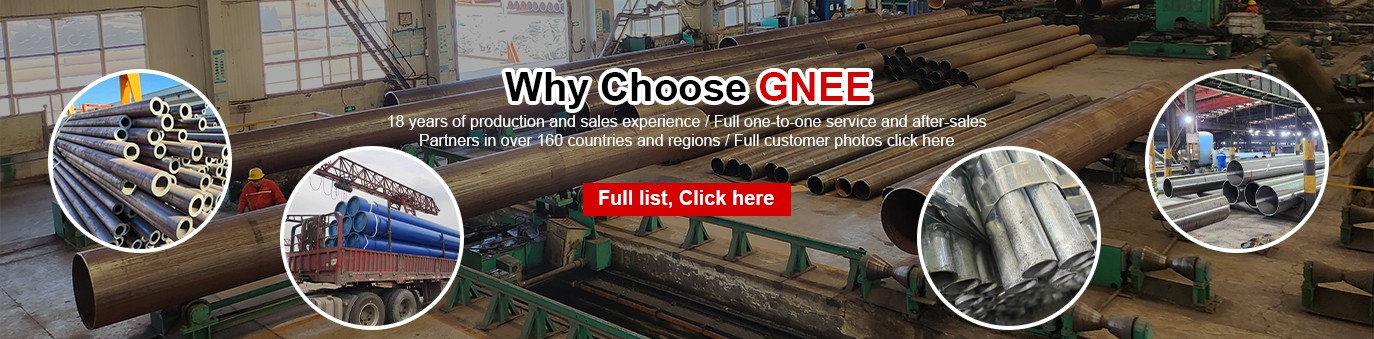
As a well-known steel pipe manufacturer and supplier in China, our factory has multiple steel pipe production lines, including 5 hot-rolled seamless steel pipe production lines, 3 cold-rolled seamless steel pipe production lines, 8 stainless steel pipe production lines, and 6 resistance welded pipe production lines, 5 capacitor welded pipe production lines, 3 3PE anti-corrosion processing production lines, 2 2PE anti-corrosion processing production lines, 2 galvanizing processing production lines, etc.

productcate-1-1
productcate-520-325
productcate-520-325
productcate-520-325
productcate-520-325
productcate-520-325


Our Certification


productcate-1-1
productcate-1-1
productcate-1-1
productcate-1-1


Ultimate FAQ Guide to Welded Pipe Carbon Steel Pipe


Q: What does the spiral welded pipe process allow?

A: There are several benefits to using spiral weld pipe. Spiral weld pipe places less stress on the seam than its straight seam counterpart, allowing it to withstand more pressure. Spiral weld pipe is more flexible and customizable, allowing for larger diameters and longer lengths with varying levels.

Q: What is the difference between seamless pipe and spiral welded pipe?

A: The seamless steel pipe is made by heating and punching the tube blank. It has no seams and the material needs to be determined on request. The spiral welded steel pipe is made by heating and rotating the strip steel once, and the material needs to be changed according to the needs.

Q: How thick is spiral welded pipe?

A: Common diameters range from 4 inches (102mm) through to 20 inches (508mm) and material thicknesses, or gauge – range from 1.6mm to 4mm. Spiral Tubes have the tooling to produce tube in much larger diameters and can also roll material up to 5mm thickness.

Q: How long will galvanize steel pipe last in water?

A: No piping system lasts forever, but galvanized steel pipes have a life span of between 40 and 100 years.

Q: What are the issues with galvanized steel pipes?

A: Over time, the galvanized steel pipes begin to rust or corrode from the inside out, resulting in reduced water pressure and restricted water flow. This presents an increased risk of leaks or ruptures occurring in the pipes and the potential for flood damage.

Q: Do galvanized steel pipes need to be replaced?

A: While these kinds of pipes are the industry standard and are very reliable, they still need to be maintained and replaced as needed. If you're experiencing issues with your plumbing, then your galvanized steel pipes are the likely culprit. Putting off galvanized steel pipe replacement could cause more damage to your property.

Q: Are old galvanized steel pipes bad for your health?

A: The lead that is released from galvanized steel pipes can pose significant health concerns when it makes its way into a household's drinking water. Ingesting too much lead can result in lead poisoning, which causes a wide range of symptoms and complications including: Fatigue, Headaches.

Q: How do you cut galvanized steel pipe?

A: Heavy-duty steel pipe and tube cutters are usually the easiest to use, but for tight spaces, an angle grinder or reciprocating saw may be needed. When using a metal pipe cutter, align the tool around the marked place on the galvanized steel pipe and rotate so that the wheel cuts deeper into the pipe until severed.

Q: Is white rust on galvanized steel bad?

A: White rust can cause substantial damage to the galvanized coating and is detrimental to its appearance.

Q: What is welded pipe carbon steel pipe used for?

A: Welded pipe carbon steel pipes are commonly used in major pipeline projects, and they can also be used a lot in the infrastructure for water and sewerage lines. In the oil and gas industry, welded pipes can be used for shipping oil and gas from oil fields to export terminals, as well as in refineries.

Gnee Steel (Tianjin) Co., Ltd. is one of the most professional welded pipe carbon steel pipe manufacturers and suppliers in China, specialized in providing high quality customized service. We warmly welcome you to wholesale discount welded pipe carbon steel pipe for sale here and get free sample from our factory. Good service and low price are available.

carbon steel pipe for baking machines, carbon steel pipe for ultraviolet disinfection systems, carbon steel pipe for silos

(0/10)

clearall