

Can welded carbon steel pipes be used in electrical applications?
May 12, 2025
Can welded carbon steel pipes be used in electrical applications?
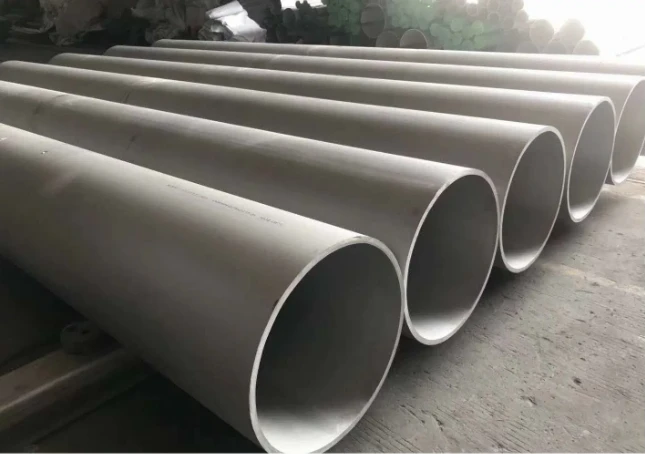
As a supplier of welded carbon steel pipes, I often encounter inquiries regarding the suitability of our products for various applications, including electrical ones. In this blog post, I will delve into the question of whether welded carbon steel pipes can be used in electrical applications, exploring their properties, advantages, limitations, and practical considerations.
Properties of Welded Carbon Steel Pipes
Welded carbon steel pipes are made by joining carbon steel strips or plates through welding processes such as electric resistance welding (ERW), submerged arc welding (SAW), or high-frequency induction welding (HFIW). Carbon steel is an alloy of iron and carbon, with carbon content typically ranging from 0.05% to 2.0%. The addition of carbon enhances the strength and hardness of the steel, making it suitable for a wide range of structural and mechanical applications.
One of the key properties of welded carbon steel pipes is their electrical conductivity. Carbon steel is a good conductor of electricity, although its conductivity is lower than that of copper or aluminum. The electrical conductivity of carbon steel depends on several factors, including the carbon content, the presence of impurities, and the microstructure of the steel. Generally, lower carbon steels have higher electrical conductivity than higher carbon steels.
Another important property of welded carbon steel pipes is their mechanical strength. Carbon steel pipes are known for their high tensile strength, yield strength, and toughness, which make them suitable for applications where structural integrity is critical. The mechanical properties of welded carbon steel pipes can be further enhanced through heat treatment processes such as annealing, quenching, and tempering.
Advantages of Using Welded Carbon Steel Pipes in Electrical Applications
There are several advantages to using welded carbon steel pipes in electrical applications:
- Cost-effectiveness: Welded carbon steel pipes are generally more cost-effective than other types of pipes, such as stainless steel or copper pipes. This makes them a popular choice for electrical applications where cost is a major consideration.
- Availability: Welded carbon steel pipes are widely available in a variety of sizes, wall thicknesses, and grades. This makes it easy to find the right pipe for your specific electrical application.
- Strength and durability: Welded carbon steel pipes are known for their high strength and durability, which make them suitable for applications where the pipes may be subjected to mechanical stress or harsh environmental conditions.
- Easy installation: Welded carbon steel pipes are relatively easy to install, especially when compared to other types of pipes. They can be cut, bent, and welded using standard tools and techniques, which makes them a popular choice for DIY projects and small-scale electrical installations.
Limitations of Using Welded Carbon Steel Pipes in Electrical Applications
While welded carbon steel pipes offer several advantages for electrical applications, there are also some limitations to consider:
- Corrosion susceptibility: Carbon steel is prone to corrosion, especially in environments where it is exposed to moisture, chemicals, or saltwater. This can lead to the formation of rust and other forms of corrosion, which can reduce the electrical conductivity of the pipes and compromise their structural integrity.
- Electromagnetic interference (EMI): Welded carbon steel pipes can act as a conductor of electromagnetic fields, which can cause interference with sensitive electrical equipment. This can be a problem in applications where EMI needs to be minimized, such as in medical facilities, data centers, and telecommunications systems.
- Magnetic properties: Carbon steel is a ferromagnetic material, which means it can be magnetized. This can be a problem in applications where magnetic fields need to be controlled, such as in electronic devices and electrical motors.
Practical Considerations for Using Welded Carbon Steel Pipes in Electrical Applications
If you are considering using welded carbon steel pipes in electrical applications, there are several practical considerations to keep in mind:
- Corrosion protection: To prevent corrosion, it is important to protect the welded carbon steel pipes with a suitable coating or paint. There are several types of coatings available, including epoxy, polyurethane, and zinc-rich coatings, which can provide excellent corrosion protection in a variety of environments.
- EMI shielding: If EMI is a concern, it may be necessary to use welded carbon steel pipes that are specifically designed for EMI shielding. These pipes are typically coated with a conductive material, such as copper or aluminum, which can help to reduce electromagnetic interference.
- Magnetic shielding: If magnetic fields need to be controlled, it may be necessary to use welded carbon steel pipes that are made from a non-magnetic material, such as stainless steel or aluminum. These pipes can help to reduce the magnetic field strength and minimize the risk of interference with sensitive electrical equipment.
- Compliance with standards: When using welded carbon steel pipes in electrical applications, it is important to ensure that they comply with relevant industry standards and regulations. For example, in the United States, electrical pipes must comply with the National Electrical Code (NEC), which sets standards for the installation and use of electrical systems.
Conclusion
In conclusion, welded carbon steel pipes can be used in electrical applications, but their suitability depends on several factors, including the specific application, the environmental conditions, and the requirements for electrical conductivity, corrosion resistance, and EMI shielding. While welded carbon steel pipes offer several advantages, such as cost-effectiveness, availability, and strength, they also have some limitations, such as corrosion susceptibility, EMI, and magnetic properties.
As a supplier of welded carbon steel pipes, we can provide you with high-quality pipes that are suitable for a wide range of electrical applications. We also offer a variety of services, such as cutting, bending, and coating, to help you get the most out of your pipes. If you have any questions or need more information about our products and services, please do not hesitate to contact us. We would be happy to discuss your specific requirements and help you find the right solution for your electrical application.
If you are interested in exploring other types of pipes, you can check out our ASTM A312 Stainless Seamless Steel Pipe which offers different properties and benefits for various applications.

If you're considering purchasing welded carbon steel pipes for your electrical or other applications, I encourage you to reach out for a detailed discussion. We can offer personalized advice based on your project's unique needs and specifications. Let's start a conversation about how our products can fit seamlessly into your operations.
References
- ASM Handbook, Volume 1: Properties and Selection: Irons, Steels, and High-Performance Alloys. ASM International.
- National Electrical Code (NEC). National Fire Protection Association (NFPA).
- Welding Handbook, Volume 1: Welding Science and Technology. American Welding Society (AWS).