

How does the heat treatment affect the properties of A106 GRB Steel Pipe?
Oct 10, 2025
Hey there! As a supplier of A106 GRB Steel Pipe, I've seen firsthand how heat treatment can work wonders on these pipes. Today, I'm gonna dive into how heat treatment affects the properties of A106 GRB Steel Pipe.
Understanding A106 GRB Steel Pipe
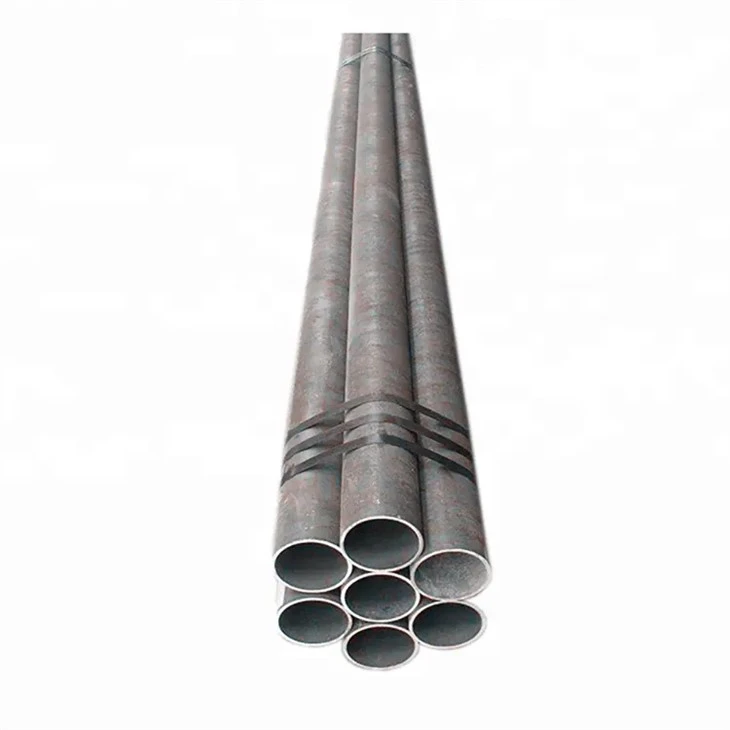
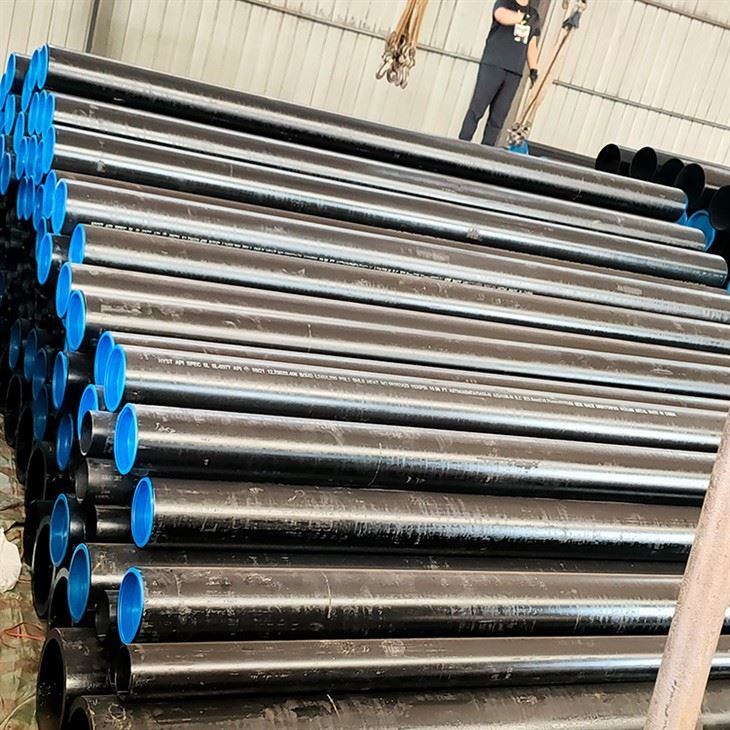
First off, let's talk a bit about A106 GRB Steel Pipe itself. It's a type of seamless carbon steel pipe widely used in the construction of oil and gas refineries, power plants, and other industrial settings. The "GRB" stands for Grade B, which indicates a specific level of chemical composition and mechanical properties.
This pipe is known for its good strength, ductility, and weldability. It can handle high - pressure and high - temperature applications, making it a top choice for many industries. But here's the catch: its properties can be further enhanced or adjusted through heat treatment.
How Heat Treatment Works
Heat treatment is basically a process of heating and cooling the steel pipe in a controlled way. There are several common heat - treatment methods, and each has a different impact on the properties of the A106 GRB Steel Pipe.
- Normalizing
- Normalizing is a heat - treatment process where the steel pipe is heated to a temperature above its critical range and then air - cooled. This helps to refine the grain structure of the steel. When we normalize A106 GRB Steel Pipe, the grains become smaller and more uniform.
- Smaller grains mean better mechanical properties. The pipe becomes stronger and more ductile. It can withstand more stress without deforming or breaking. For example, in a high - pressure pipeline, a normalized A106 GRB Steel Pipe is less likely to develop cracks under pressure.
- Annealing
- Annealing involves heating the pipe to a specific temperature and then slowly cooling it. There are different types of annealing, like full annealing, process annealing, and stress - relief annealing.
- Full annealing is used to soften the steel. When we fully anneal an A106 GRB Steel Pipe, it becomes more malleable. This is great if we need to perform further machining operations on the pipe, like cutting, drilling, or bending.
- Stress - relief annealing, on the other hand, is used to reduce internal stresses in the pipe. These internal stresses can be caused by processes like welding or cold - working. By relieving these stresses, the pipe becomes more stable and less likely to warp or crack over time.
- Quenching and Tempering
- Quenching is a rapid cooling process. The A106 GRB Steel Pipe is heated to a high temperature and then quickly cooled, usually in oil or water. This makes the steel extremely hard.
- However, quenched steel is also very brittle. That's where tempering comes in. After quenching, the pipe is reheated to a lower temperature and then cooled again. Tempering reduces the brittleness while still maintaining a high level of hardness.
- A quenched and tempered A106 GRB Steel Pipe is ideal for applications where high strength and wear resistance are required. For instance, in mining equipment where the pipes are constantly exposed to abrasion, this heat - treated pipe can last much longer.
Impact on Mechanical Properties
Let's take a closer look at how heat treatment affects the mechanical properties of A106 GRB Steel Pipe.
- Tensile Strength
- Heat treatment can significantly increase the tensile strength of the pipe. Normalizing, quenching, and tempering all contribute to higher tensile strength. A higher tensile strength means the pipe can withstand greater pulling forces without breaking. This is crucial in applications where the pipe is under tension, such as in a suspension bridge's support cables made of steel pipes.
- Yield Strength
- Yield strength is the point at which the steel starts to deform permanently. Heat treatment can raise the yield strength of A106 GRB Steel Pipe. A pipe with a higher yield strength can handle more stress before it begins to change shape. In a high - pressure steam pipeline, a pipe with increased yield strength is less likely to bulge or burst under pressure.
- Ductility
- Ductility is the ability of the steel to deform without breaking. Annealing generally increases the ductility of the pipe. A more ductile pipe can be bent or formed into different shapes without cracking. This is useful in plumbing systems where pipes need to be bent around corners or obstacles.
- Hardness
- As mentioned earlier, quenching and tempering can increase the hardness of the pipe. A harder pipe is more resistant to wear and abrasion. In a sewage system where the pipes are exposed to abrasive materials in the wastewater, a hard - treated A106 GRB Steel Pipe will last longer.
Impact on Corrosion Resistance
Heat treatment can also have an impact on the corrosion resistance of A106 GRB Steel Pipe. Although A106 GRB is a carbon steel and not inherently highly corrosion - resistant, proper heat treatment can help.
- Normalizing can improve the homogeneity of the steel's microstructure. A more homogeneous structure is less likely to have areas where corrosion can start. Also, stress - relief annealing can reduce the internal stresses that can sometimes lead to stress - corrosion cracking.
- However, it's important to note that heat treatment alone is not enough to make the pipe completely corrosion - resistant. Additional protective coatings or treatments are usually required in corrosive environments.
Comparison with Other Steel Pipes
It's interesting to compare A106 GRB Steel Pipe with other similar pipes after heat treatment. For example, the ASTM A53 GRB Steel Pipe has some similarities with A106 GRB, but their responses to heat treatment can be different.
- ASTM A53 GRB is often used in lower - pressure applications compared to A106 GRB. After heat treatment, A106 GRB may show better mechanical properties, especially in high - pressure and high - temperature scenarios.
- The A106 Grc Steel Pipe is another grade in the A106 series. Grade C has a higher carbon content, which can affect how it responds to heat treatment. A106 GRB may be more versatile in terms of heat - treatment options, as its lower carbon content allows for a wider range of property adjustments.
- The A333 - 7,9 Carbon Steel Pipe is designed for low - temperature applications. Heat treatment of A106 GRB is more focused on enhancing strength and ductility for high - temperature and high - pressure use, while A333 - 7,9 may be heat - treated to improve its toughness at low temperatures.
Conclusion and Call to Action
In conclusion, heat treatment plays a vital role in determining the properties of A106 GRB Steel Pipe. Whether you need a pipe with high strength, good ductility, or enhanced corrosion resistance, the right heat - treatment process can make it happen.
- As a supplier of A106 GRB Steel Pipe, I can offer pipes that have been carefully heat - treated to meet your specific requirements. Whether you're in the oil and gas industry, power generation, or any other field that uses steel pipes, I'm here to help.
- If you're interested in purchasing A106 GRB Steel Pipe or have any questions about heat treatment and its impact on the pipes, feel free to reach out. We can have a detailed discussion about your project needs and find the best solution for you.
References
- ASM Handbook Volume 4: Heat Treating, ASM International
- Steel Pipe Handbook, McGraw - Hill
So, don't hesitate to contact me for all your A106 GRB Steel Pipe needs!