

How to ensure the safety of welded carbon steel pipes during transportation?
May 20, 2025
Ensuring the safety of welded carbon steel pipes during transportation is a critical aspect of our operations as a welded carbon steel pipe supplier. The integrity of these pipes is paramount, as any damage during transit can lead to significant losses, both in terms of product quality and customer satisfaction. In this blog, I will share some of the key strategies and practices we employ to safeguard our welded carbon steel pipes from the moment they leave our facility until they reach our customers' hands.
1. Proper Packaging
The first line of defense in protecting welded carbon steel pipes during transportation is proper packaging. We use a variety of packaging materials and techniques to ensure that the pipes are well - protected from external factors such as moisture, abrasion, and impact.
For smaller diameter pipes, we often bundle them together using steel strapping or plastic bands. These bundles are then wrapped in a layer of protective plastic film to prevent rusting and damage from dust and dirt. The plastic film also helps to keep the pipes clean and dry during transit.
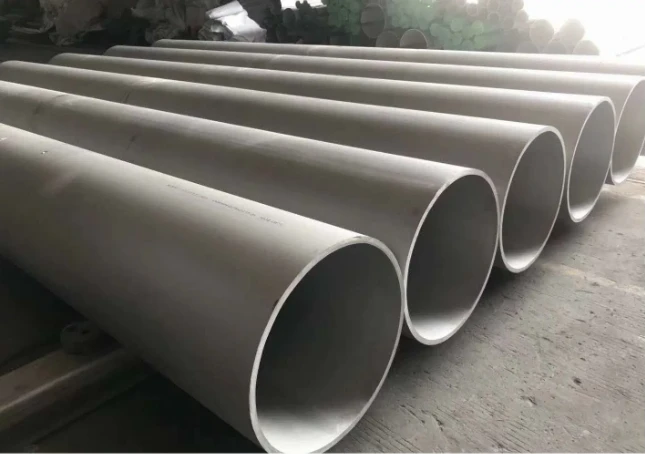
Larger diameter pipes are typically packaged individually. We use wooden cradles or steel supports to prevent the pipes from rolling or shifting during transportation. These supports are designed to distribute the weight of the pipes evenly, reducing the risk of deformation. Additionally, we may apply a layer of anti - corrosion coating on the pipes before packaging to further protect them from rust and oxidation.
2. Secure Loading
Once the pipes are properly packaged, the next step is to load them onto the transportation vehicle safely. We follow strict loading procedures to ensure that the pipes are arranged in a stable and secure manner.
When loading onto trucks or trailers, we use specialized equipment such as cranes and forklifts to handle the pipes. The pipes are carefully placed in the vehicle, taking into account their weight, length, and diameter. We make sure that the pipes are aligned properly and that there is enough space between them to prevent rubbing or collision.
For long - distance transportation by rail or ship, we also pay close attention to the stowage plan. The pipes are loaded into containers or onto the deck of the ship in a way that maximizes stability and minimizes the risk of damage. We use dunnage materials such as wooden blocks and wedges to secure the pipes in place and prevent them from moving during transit.

3. Transportation Mode Selection
Choosing the right transportation mode is crucial for ensuring the safety of welded carbon steel pipes. Different transportation modes have their own advantages and disadvantages, and we carefully evaluate each option based on the specific requirements of the shipment.
For short - distance deliveries, trucks are often the most convenient and cost - effective option. Trucks offer flexibility in terms of delivery schedules and can directly transport the pipes to the customer's site. However, trucks are more susceptible to road conditions and traffic accidents, so we make sure to choose experienced and reliable trucking companies.
For long - distance and large - volume shipments, rail and sea transportation are preferred. Rail transportation is known for its stability and reliability, and it can handle large quantities of pipes efficiently. Sea transportation, on the other hand, is suitable for international shipments and can carry a huge volume of goods at a relatively low cost. However, both rail and sea transportation involve longer transit times, and we need to take extra precautions to protect the pipes from environmental factors such as saltwater corrosion during sea transportation.
4. Monitoring and Tracking
Throughout the transportation process, we use advanced monitoring and tracking systems to keep a close eye on the status of the pipes. These systems allow us to monitor factors such as temperature, humidity, and vibration, which can have a significant impact on the quality of the pipes.
We install sensors on the transportation vehicles or containers to collect real - time data. This data is then transmitted to our monitoring center, where our team can analyze it and take appropriate actions if any issues are detected. For example, if the temperature inside the container is too high, which could potentially damage the anti - corrosion coating on the pipes, we can adjust the ventilation or take other measures to lower the temperature.
In addition to environmental monitoring, we also track the location of the shipment using GPS technology. This allows us to provide our customers with accurate information about the estimated time of arrival and to quickly respond to any delays or emergencies.
5. Insurance Coverage
Despite all the precautions we take, unforeseen events can still occur during transportation. To protect our customers and ourselves from potential losses, we always ensure that our shipments are fully insured.
We work with reputable insurance companies to obtain comprehensive insurance coverage for our welded carbon steel pipes. The insurance policy typically covers risks such as damage, theft, and loss during transit. In the event of an incident, we can file a claim with the insurance company to recover the losses and ensure that our customers are compensated for any damaged or lost products.
6. Staff Training
Our employees play a crucial role in ensuring the safety of welded carbon steel pipes during transportation. That's why we provide regular training to our staff to enhance their knowledge and skills in handling and transporting the pipes.
Our training programs cover a wide range of topics, including proper packaging techniques, safe loading and unloading procedures, and the operation of monitoring and tracking systems. We also train our staff to recognize potential hazards and to take appropriate measures to prevent accidents.
By investing in staff training, we can ensure that our employees are well - equipped to handle any situation that may arise during transportation and that they are committed to maintaining the highest standards of safety and quality.
7. Collaboration with Partners
We understand that ensuring the safety of welded carbon steel pipes during transportation is not a one - man show. We actively collaborate with our transportation partners, including trucking companies, rail operators, and shipping lines, to develop and implement effective safety measures.
We work closely with our partners to establish clear communication channels and to share information about the specific requirements of each shipment. We also conduct regular audits and inspections of our partners' facilities and operations to ensure that they meet our safety standards.
In addition, we encourage our partners to provide feedback and suggestions for improvement. By working together, we can continuously optimize our transportation processes and enhance the safety of our welded carbon steel pipes.
Conclusion
Ensuring the safety of welded carbon steel pipes during transportation is a complex but essential task. By implementing proper packaging, secure loading, careful transportation mode selection, monitoring and tracking, insurance coverage, staff training, and collaboration with partners, we can minimize the risk of damage and ensure that our customers receive high - quality pipes in a timely manner.
If you are interested in purchasing our ASTM A312 Stainless Seamless Steel Pipe or other welded carbon steel pipes, please feel free to contact us for further discussion. We are committed to providing you with the best products and services, and we look forward to establishing a long - term partnership with you.
References
- "Handbook of Pipeline Engineering" by John W. Garrett.
- "Transportation Safety Management" by various authors, published by the Institute of Transportation Engineers.
- Industry standards and guidelines related to the transportation of steel pipes.