

Is Api 5l X42 Steel Pipe suitable for oil and gas transportation?
Sep 19, 2025
In the realm of oil and gas transportation, the selection of the appropriate steel pipe is a critical decision that can significantly impact the efficiency, safety, and longevity of the pipeline system. As a supplier of API 5L X42 steel pipes, I am often asked whether this particular type of pipe is suitable for oil and gas transportation. In this blog post, I will delve into the characteristics of API 5L X42 steel pipes and explore their suitability for the demanding requirements of the oil and gas industry.
Understanding API 5L X42 Steel Pipe
API 5L is a specification developed by the American Petroleum Institute (API) for seamless and welded steel pipes used for pipeline transportation systems in the oil and gas industry. The "X" in the grade designation indicates that it is a line pipe, and the number "42" represents the minimum yield strength of the pipe in ksi (thousand pounds per square inch), which means the API 5L X42 steel pipe has a minimum yield strength of 42,000 psi.
API 5L X42 steel pipes are made from carbon steel, which is an alloy of iron and carbon, with small amounts of other elements such as manganese, sulfur, phosphorus, and silicon. These elements are carefully controlled to achieve the desired mechanical properties and corrosion resistance. The pipes are available in various sizes, wall thicknesses, and lengths, making them suitable for a wide range of applications in the oil and gas industry.
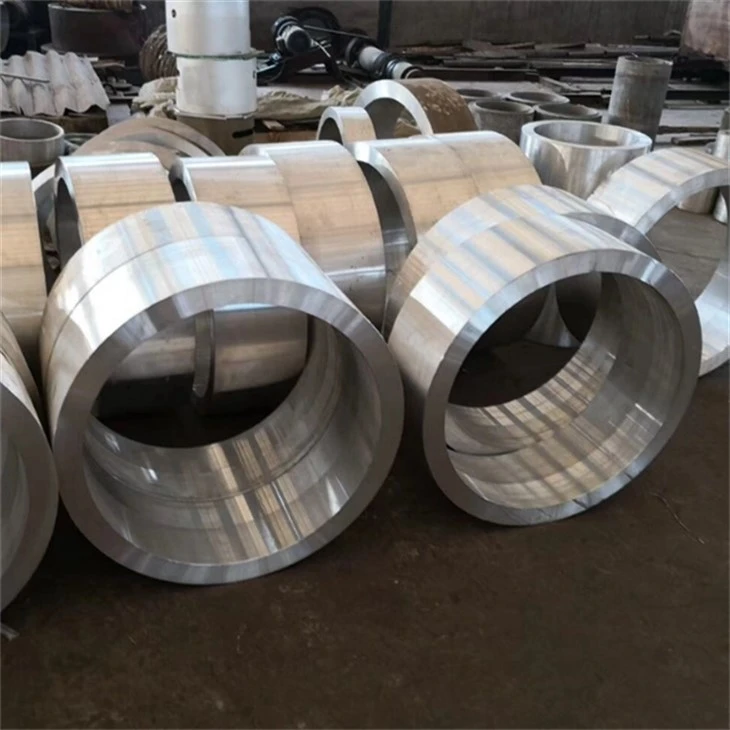

Advantages of API 5L X42 Steel Pipe for Oil and Gas Transportation
1. High Strength
One of the primary advantages of API 5L X42 steel pipes is their high strength. The minimum yield strength of 42,000 psi allows the pipes to withstand high internal pressures without deformation or failure. This is crucial in oil and gas transportation, where the pipelines are often subjected to high pressures due to the flow of fluids and gases. The high strength of API 5L X42 steel pipes also enables them to resist external loads, such as soil pressure and seismic forces, ensuring the integrity of the pipeline system.
2. Good Weldability
API 5L X42 steel pipes have excellent weldability, which means they can be easily joined together using various welding techniques, such as shielded metal arc welding (SMAW), gas metal arc welding (GMAW), and submerged arc welding (SAW). Weldability is an important factor in pipeline construction, as it allows for the efficient and reliable connection of pipes. The ability to weld API 5L X42 steel pipes ensures the continuity and integrity of the pipeline system, minimizing the risk of leaks and failures.
3. Corrosion Resistance
Corrosion is a major concern in oil and gas transportation, as it can lead to the deterioration of the pipeline and the release of hazardous substances. API 5L X42 steel pipes are typically coated with a protective layer, such as epoxy or polyethylene, to enhance their corrosion resistance. The coating acts as a barrier between the steel pipe and the surrounding environment, preventing the penetration of corrosive agents. In addition, the carbon steel composition of API 5L X42 steel pipes provides a certain degree of inherent corrosion resistance, especially in mild environments.
4. Cost-Effectiveness
API 5L X42 steel pipes are relatively cost-effective compared to other types of pipes used in the oil and gas industry. The raw materials used to manufacture API 5L X42 steel pipes are readily available, and the manufacturing process is well-established, resulting in lower production costs. The high strength and good weldability of API 5L X42 steel pipes also reduce the need for additional reinforcement and complex joining methods, further lowering the overall cost of the pipeline system.
Considerations for Using API 5L X42 Steel Pipe in Oil and Gas Transportation
1. Operating Conditions
The suitability of API 5L X42 steel pipes for oil and gas transportation depends on the specific operating conditions of the pipeline. Factors such as the temperature, pressure, flow rate, and composition of the fluids and gases being transported can affect the performance of the pipes. For example, in high-temperature or high-pressure applications, API 5L X42 steel pipes may need to be upgraded to a higher grade of steel or used in conjunction with additional protective measures.
2. Corrosion Environment
The corrosion environment in which the pipeline is located is another important consideration. In harsh environments, such as offshore or sour gas fields, API 5L X42 steel pipes may require more advanced corrosion protection systems, such as cathodic protection or corrosion inhibitors. The selection of the appropriate corrosion protection system depends on the type and severity of the corrosion, as well as the cost and feasibility of implementation.
3. Regulatory Requirements
The oil and gas industry is subject to strict regulatory requirements, which govern the design, construction, and operation of pipeline systems. API 5L X42 steel pipes must comply with these regulations to ensure the safety and environmental protection of the pipeline. It is important to consult with regulatory authorities and industry experts to ensure that the API 5L X42 steel pipes used in the pipeline meet all the necessary requirements.
Comparison with Other Types of Pipes
1. T6 Cold Drawn Thin Wall Seamless Pipe
T6 Cold Drawn Thin Wall Seamless Pipe is another type of pipe that is commonly used in the oil and gas industry. Compared to API 5L X42 steel pipes, T6 cold drawn thin wall seamless pipes have a thinner wall thickness and a higher precision in dimensions. They are often used in applications where space is limited or where a high degree of accuracy is required. However, T6 cold drawn thin wall seamless pipes may have a lower strength and corrosion resistance compared to API 5L X42 steel pipes, making them less suitable for high-pressure and corrosive environments.
2. A213 T12 Bolier Tubes With High-temperature
A213 T12 Bolier Tubes With High-temperature are designed for use in high-temperature applications, such as boilers and heat exchangers. These tubes are made from a special alloy steel that has excellent high-temperature strength and corrosion resistance. Compared to API 5L X42 steel pipes, A213 T12 bolier tubes are more expensive and may not be necessary for most oil and gas transportation applications. However, in applications where high temperatures are encountered, A213 T12 bolier tubes may be a better choice.
3. 347 Seamless Steel Pipe
347 Seamless Steel Pipe is a type of stainless steel pipe that is known for its excellent corrosion resistance and high-temperature strength. It is often used in applications where the pipeline is exposed to corrosive fluids or high temperatures. Compared to API 5L X42 steel pipes, 347 seamless steel pipes are more expensive and may not be cost-effective for large-scale oil and gas transportation projects. However, in applications where corrosion resistance is a major concern, 347 seamless steel pipes may be a suitable option.
Conclusion
In conclusion, API 5L X42 steel pipes are a suitable choice for oil and gas transportation in many applications. Their high strength, good weldability, corrosion resistance, and cost-effectiveness make them a popular option for pipeline construction. However, the suitability of API 5L X42 steel pipes depends on the specific operating conditions, corrosion environment, and regulatory requirements of the pipeline. It is important to carefully evaluate these factors and consult with industry experts to ensure that the API 5L X42 steel pipes used in the pipeline meet all the necessary requirements.
If you are considering using API 5L X42 steel pipes for your oil and gas transportation project, I encourage you to contact me for more information. As a supplier of API 5L X42 steel pipes, I can provide you with high-quality products and professional advice to help you make the right decision. Let's work together to ensure the success of your project.
References
- American Petroleum Institute (API). API Specification 5L: Specification for Line Pipe.
- ASME Boiler and Pressure Vessel Code. Section I: Rules for Construction of Power Boilers.
- NACE International. Standard Practice SP0169: Control of External Corrosion on Underground or Submerged Metallic Piping Systems.