

What are the industry trends for hot dip galvanized pipes?
Aug 05, 2025
Hey there! As a hot dip galvanized pipe supplier, I've been keeping a close eye on the industry trends. In this blog, I'll share some of the key trends that are shaping the market for hot dip galvanized pipes.
1. Growing Demand in Construction
The construction industry is one of the biggest consumers of hot dip galvanized pipes. With the continuous growth of infrastructure projects around the world, the demand for these pipes is on the rise. Galvanized pipes are used in a variety of construction applications, such as plumbing, heating, ventilation, and air - conditioning (HVAC) systems. They are also used in structural frameworks due to their high strength and corrosion resistance.
For instance, in emerging economies, there's a massive push for urbanization. New buildings, both residential and commercial, are being constructed at a rapid pace. Hot dip galvanized pipes are a popular choice because they can withstand harsh environmental conditions and have a long service life. This reduces the need for frequent replacements, which is a significant cost - saving factor for construction companies.
If you're looking for high - quality hot dip galvanized pipes for your construction project, you might be interested in our Seamless ASTM 5140 Carbon Steel Tube. It offers excellent performance and meets the industry standards.
2. Environmental Awareness and Sustainability
In recent years, there has been a growing emphasis on environmental sustainability in the manufacturing industry. Hot dip galvanizing is considered a relatively eco - friendly process compared to other coating methods. The zinc used in the galvanizing process is a natural and recyclable material. When a galvanized pipe reaches the end of its service life, the zinc can be recycled and reused, reducing waste.
Moreover, the long - lasting corrosion protection provided by hot dip galvanizing means that pipes don't need to be replaced as often. This reduces the overall consumption of raw materials and energy associated with the production and transportation of new pipes. As more companies and consumers become environmentally conscious, the demand for sustainable products like hot dip galvanized pipes is likely to increase.
3. Technological Advancements in Galvanizing Process
The hot dip galvanizing process has come a long way over the years. New technologies are being developed to improve the quality and efficiency of the process. For example, advanced pretreatment methods are being used to ensure better adhesion of the zinc coating to the steel pipe. This results in a more uniform and durable coating.
Automation is also playing a significant role in the galvanizing industry. Automated systems can control the temperature, immersion time, and other parameters more precisely, leading to consistent product quality. Additionally, new inspection technologies, such as non - destructive testing methods, are being used to detect any defects in the galvanized coating before the pipes are shipped to customers.
4. Customization and Specialized Applications
There's an increasing demand for customized hot dip galvanized pipes to meet specific application requirements. Some industries, like the automotive and aerospace industries, need pipes with special dimensions, coatings, or mechanical properties. For example, in the automotive industry, galvanized pipes are used in exhaust systems, where they need to withstand high temperatures and chemical corrosion.
We offer St42 Hot Dip Galvanized Round Steel Pipe, which can be customized according to your specific needs. Whether you need a different diameter, wall thickness, or coating thickness, we can work with you to provide the right solution.
5. Competition and Pricing Pressure
The hot dip galvanized pipe market is highly competitive. There are many suppliers in the market, both domestic and international. This competition has led to pricing pressure, as companies try to offer the best prices to attract customers. However, it's important to note that price shouldn't be the only factor when choosing a supplier. Quality, reliability, and after - sales service are also crucial.
At our company, we strive to offer a balance between competitive pricing and high - quality products. We understand that our customers want value for their money, and we work hard to ensure that our products meet the highest standards. For example, our Q235B Hot Rolled Carbon Steel Galvanized pipes are not only priced competitively but also offer excellent performance.
6. Global Trade and Market Expansion
The hot dip galvanized pipe market is a global one. With the growth of international trade, pipes are being exported and imported across different countries. This has opened up new opportunities for suppliers to expand their market reach. However, it also means facing challenges such as trade barriers, tariffs, and differences in quality standards.

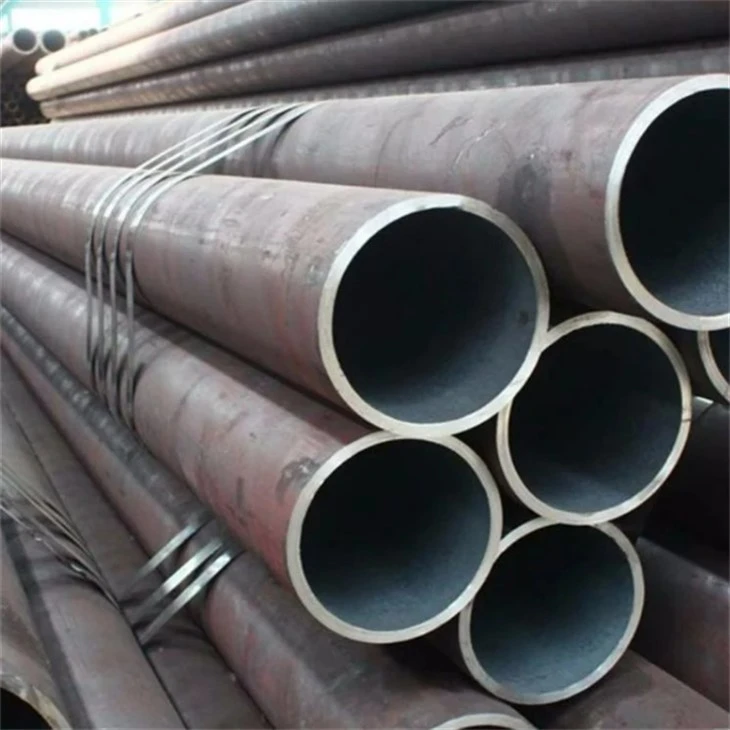
To succeed in the global market, suppliers need to be aware of the regulations and standards in different countries. They also need to build strong relationships with international customers and partners. We're constantly looking for ways to expand our global presence and offer our high - quality hot dip galvanized pipes to customers around the world.
Let's Talk!
Whether you're a construction company, a manufacturer, or an individual in need of hot dip galvanized pipes, we'd love to hear from you. We can provide you with detailed product information, samples, and competitive quotes. If you have any specific requirements or questions, don't hesitate to reach out. Let's start a conversation and see how we can meet your needs.
References
- "The Handbook of Galvanizing" - A comprehensive guide on the hot dip galvanizing process and its applications.
- Industry reports from market research firms that track trends in the hot dip galvanized pipe market.
- Technical papers published in engineering and manufacturing journals on the latest advancements in galvanizing technology.