

What are the installation requirements for welded carbon steel pipes?
Jun 25, 2025
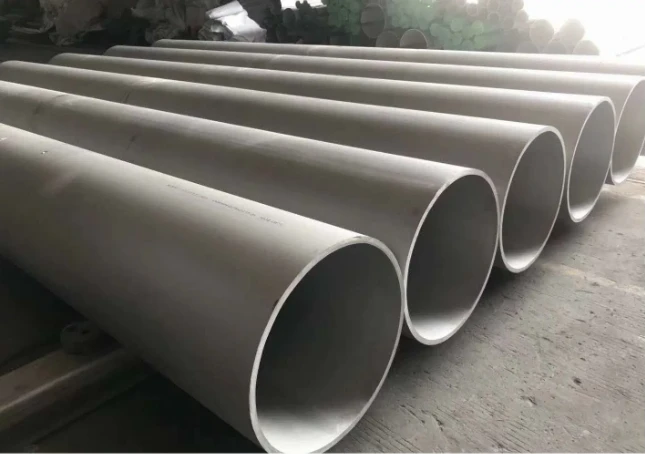
When it comes to the installation of welded carbon steel pipes, as a supplier of welded carbon steel pipes, I understand that there are several crucial requirements that need to be met to ensure a successful and long - lasting installation. In this blog, I will delve into the key aspects of the installation requirements for welded carbon steel pipes.
1. Site Preparation
Before the actual installation of welded carbon steel pipes begins, proper site preparation is essential. The installation site should be clean and free of any debris, rocks, or other obstacles that could potentially damage the pipes during installation or cause uneven support. The ground should be leveled to provide a stable foundation for the pipes. If the pipes are to be installed underground, the trench should be dug to the appropriate depth and width. The depth of the trench typically depends on factors such as the local climate, soil conditions, and the type of use for the pipes. For example, in colder regions, the pipes may need to be buried deeper to prevent freezing.
The width of the trench should be sufficient to allow for easy handling and installation of the pipes. A general rule of thumb is that the trench width should be at least 1.5 times the outside diameter of the pipe. Additionally, the sides of the trench should be sloped to prevent soil collapse. If the soil is unstable, shoring or other support systems may be required.
2. Pipe Inspection
As a welded carbon steel pipe supplier, I always emphasize the importance of pipe inspection before installation. Each pipe should be carefully examined for any visible defects such as cracks, dents, or corrosion. Cracks can significantly weaken the pipe and may lead to leaks or even pipe failure under pressure. Dents can also affect the flow of fluids inside the pipe and may cause stress concentrations.
The pipe's dimensions, including the outside diameter, wall thickness, and length, should be checked to ensure they meet the specified requirements. Any pipes that do not meet the quality standards should not be installed. For welded pipes, the quality of the welds is of utmost importance. The welds should be inspected for proper penetration, bead shape, and the absence of any defects such as porosity or lack of fusion. Non - destructive testing methods such as ultrasonic testing or radiographic testing can be used to detect internal weld defects.
3. Support and Anchoring
Proper support and anchoring of welded carbon steel pipes are necessary to prevent sagging, vibration, and movement. The pipes should be supported at regular intervals along their length. The spacing of the supports depends on factors such as the pipe diameter, the type of fluid being transported, and the operating pressure. Generally, smaller diameter pipes require more frequent supports compared to larger diameter pipes.
Anchors are used to prevent the pipes from moving axially or laterally. They are typically installed at strategic locations such as elbows, tees, and valves. The anchors should be designed to withstand the forces exerted on the pipes, including the weight of the pipe, the fluid inside the pipe, and any external forces such as wind or seismic loads. For underground pipes, concrete thrust blocks can be used as anchors at bends and changes in pipe direction.
4. Welding Requirements
Since these are welded carbon steel pipes, welding is a critical part of the installation process. The welding procedure should be carefully planned and followed to ensure high - quality welds. Welders should be qualified and certified to perform the welding operations. They should have a good understanding of the welding process, the type of filler material to be used, and the appropriate welding parameters such as current, voltage, and welding speed.
The pipes should be properly cleaned and beveled before welding. Cleaning removes any dirt, oil, or oxide layers from the pipe surface, which can affect the quality of the weld. Beveling is done to provide a proper joint design for better weld penetration. The welding environment should also be controlled to prevent the introduction of contaminants such as moisture or dust, which can cause weld defects.
5. Pressure Testing
After the installation of the welded carbon steel pipes is complete, pressure testing is required to ensure the integrity of the piping system. The system should be filled with a test fluid, usually water, and pressurized to a specified test pressure. The test pressure is typically higher than the normal operating pressure to check for any leaks or weaknesses in the pipes and welds.
The pressure should be maintained for a specified period, usually several hours, and the system should be carefully inspected for any signs of leakage. Any leaks should be repaired, and the system should be retested until it passes the pressure test. Pressure testing is a crucial step in ensuring the safety and reliability of the piping system.
6. Corrosion Protection
Welded carbon steel pipes are susceptible to corrosion, especially in harsh environments. Therefore, proper corrosion protection measures should be taken during installation. One common method is the application of a protective coating on the pipe surface. The coating can be a paint, epoxy, or other corrosion - resistant materials.

For underground pipes, cathodic protection can also be used in addition to the coating. Cathodic protection works by making the pipe the cathode of an electrochemical cell, which reduces the rate of corrosion. The anodes used in cathodic protection can be made of materials such as zinc or magnesium.
7. Compatibility with Other Components
The welded carbon steel pipes should be compatible with other components in the piping system, such as valves, fittings, and pumps. The materials of these components should be selected to ensure they can withstand the same operating conditions as the pipes. For example, if the pipes are transporting a corrosive fluid, the valves and fittings should also be made of corrosion - resistant materials.
The connection between the pipes and other components should be properly designed and installed. Flanged connections are commonly used for ease of installation and maintenance. The gaskets used in flanged connections should be made of appropriate materials to ensure a tight seal and prevent leakage.
8. Safety Precautions
During the installation process, safety should always be a top priority. Workers should wear appropriate personal protective equipment (PPE), such as hard hats, safety glasses, gloves, and safety shoes. When working with welding equipment, additional protective gear such as welding helmets and flame - resistant clothing should be worn.
The installation site should be properly marked and barricaded to prevent unauthorized access. Any electrical equipment used during the installation should be properly grounded to prevent electrical hazards. If the pipes are being installed in a confined space, proper ventilation should be provided to prevent the accumulation of toxic gases.
In conclusion, the installation of welded carbon steel pipes requires careful planning, proper execution, and strict adherence to the installation requirements. As a welded carbon steel pipe supplier, I am committed to providing high - quality pipes and technical support to ensure a successful installation. If you are in need of welded carbon steel pipes or have any questions regarding their installation, [guide to contact for purchase negotiation, for example] please feel free to reach out to me. I am more than happy to discuss your project requirements and provide you with the best solutions.
References
- ASME B31.3 Process Piping Code
- API 5L Specification for Line Pipe
- ASTM A53 Standard Specification for Pipe, Steel, Black and Hot - Dipped, Zinc - Coated, Welded and Seamless
- Link text: ASTM A312 Stainless Seamless Steel Pipe