

What are the safety precautions when installing welded carbon steel pipes?
Jun 05, 2025
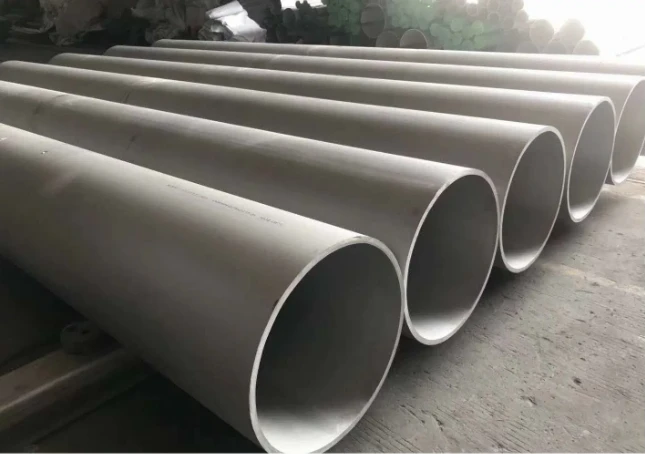
Hey there! I'm a supplier of Welded Carbon Steel Pipes, and I've seen firsthand how crucial it is to follow safety precautions when installing these pipes. In this blog, I'll share some key safety tips that you should keep in mind during the installation process.
Pre - installation Safety Checks
Before you even start installing the welded carbon steel pipes, there are a few important things to check. First off, you need to inspect the pipes themselves. Look for any visible damage like cracks, dents, or rust. A damaged pipe can compromise the entire installation and pose a safety risk later on. If you find any pipes with significant damage, don't use them. Instead, replace them with new ones.
Next, check the installation site. Make sure the area is clean and free of debris. Any loose objects or clutter can cause you to trip and fall during the installation. Also, ensure that the ground is stable and level. Uneven ground can lead to improper pipe alignment, which might result in leaks or structural failures.
It's also a good idea to review the installation plans thoroughly. Understand the layout, the pipe routing, and any special requirements. If you're not clear about something, don't hesitate to consult with an engineer or an experienced installer. This way, you can avoid making costly mistakes during the installation.
Personal Protective Equipment (PPE)
Wearing the right personal protective equipment is non - negotiable when installing welded carbon steel pipes. First, you need a good pair of safety glasses. They'll protect your eyes from flying debris, sparks, and dust. Even a small particle in your eye can cause serious injury and vision problems.
Gloves are another essential piece of PPE. Choose gloves that are resistant to cuts and abrasions. Carbon steel pipes can have sharp edges, and you don't want to get cut while handling them. Heat - resistant gloves are also a must if you're going to be doing any welding. Welding generates a lot of heat, and regular gloves won't provide enough protection.
A hard hat is a must for anyone working on the installation site. It protects your head from falling objects, which could be anything from tools to small pieces of pipe. Safety boots are also important. They should have steel toes to protect your feet from heavy objects that might accidentally drop on them.
Welding Safety
If your installation involves welding the carbon steel pipes, there are specific safety precautions you need to take. First, make sure you have proper ventilation. Welding produces fumes that can be harmful if inhaled. Set up exhaust fans or work in an open - air area to ensure that the fumes are quickly removed from the workspace.
Before you start welding, clean the pipe surfaces thoroughly. Any dirt, grease, or rust can affect the quality of the weld. Use a wire brush or a cleaning solvent to clean the areas where you'll be welding.
When welding, always follow the correct welding procedures. Use the right type of welding rod and set the welding machine to the appropriate settings. Incorrect welding can lead to weak joints, which can fail over time.
It's also important to have a fire extinguisher nearby. Welding generates sparks that can start a fire. Make sure you know how to use the fire extinguisher properly, and check its expiration date regularly.
Handling and Lifting
Handling and lifting the welded carbon steel pipes require careful attention. These pipes can be heavy, and improper lifting can lead to back injuries. When lifting a pipe, bend your knees and keep your back straight. Use your leg muscles to lift the weight, not your back.
If you're using a crane or other lifting equipment, make sure it's in good working condition. Inspect the lifting straps or chains for any signs of wear and tear. Overloading the lifting equipment can cause it to fail, which can be extremely dangerous.
When moving the pipes around the installation site, use a cart or a dolly if possible. This will reduce the risk of dropping the pipes and causing injury.
Pipe Alignment and Connection
Proper pipe alignment is crucial for a successful installation. Misaligned pipes can cause stress on the joints, leading to leaks or failures. Use alignment tools like clamps and fixtures to ensure that the pipes are properly aligned before making the connections.
When connecting the pipes, follow the manufacturer's instructions. Some pipes may require the use of gaskets or sealants to prevent leaks. Make sure the connections are tight but not over - tightened, as this can damage the pipes or the connections.
Post - installation Checks
Once the installation is complete, don't just walk away. Conduct a thorough post - installation check. Inspect all the joints for leaks. You can use a pressure test to check for leaks in the system. If you find any leaks, fix them immediately.
Check the overall stability of the installed pipes. Make sure they're properly supported and that there's no excessive movement or vibration. Any issues found during the post - installation check should be addressed right away to ensure the long - term safety and performance of the system.
Conclusion
Installing welded carbon steel pipes requires careful planning and strict adherence to safety precautions. By following the tips I've shared in this blog, you can minimize the risk of accidents and ensure a successful installation.
If you're in the market for high - quality Welded Carbon Steel Pipes, we've got you covered. We also offer ASTM A312 Stainless Seamless Steel Pipe, which is suitable for a wide range of applications. If you have any questions or are interested in purchasing our products, feel free to reach out for a procurement discussion. We're here to help you find the best solutions for your needs.

References
- American Society of Mechanical Engineers (ASME) standards for pipe installation.
- Occupational Safety and Health Administration (OSHA) guidelines for construction and pipe installation.
- Manufacturer's manuals for welded carbon steel pipes.