

What is the difference between Api 5l X60 and other grades of steel tubes?
Aug 05, 2025
As a supplier of API 5L X60 steel tubes, I often encounter inquiries about the differences between API 5L X60 and other grades of steel tubes. Understanding these distinctions is crucial for customers to make informed decisions when selecting the appropriate steel tubes for their specific applications. In this blog post, I will delve into the key differences between API 5L X60 and other grades of steel tubes, shedding light on their unique characteristics, applications, and advantages.
Chemical Composition
One of the primary factors that differentiate API 5L X60 from other grades of steel tubes is its chemical composition. API 5L X60 is a high-strength low-alloy (HSLA) steel that contains a precise balance of elements to achieve optimal mechanical properties. The chemical composition of API 5L X60 typically includes carbon (C), manganese (Mn), phosphorus (P), sulfur (S), silicon (Si), and small amounts of other alloying elements such as niobium (Nb), vanadium (V), and titanium (Ti).
In contrast, other grades of steel tubes may have different chemical compositions depending on their intended applications. For example, A213 T2 Alloy Steel Seamless Tubes are made from a chromium-molybdenum alloy steel that offers excellent high-temperature strength and corrosion resistance. The chemical composition of A213 T2 typically includes chromium (Cr), molybdenum (Mo), and small amounts of other alloying elements.
Mechanical Properties
Another significant difference between API 5L X60 and other grades of steel tubes lies in their mechanical properties. API 5L X60 is known for its high strength and toughness, making it suitable for use in demanding applications such as oil and gas pipelines, offshore platforms, and structural components. The minimum yield strength of API 5L X60 is typically 414 MPa (60,000 psi), while the minimum tensile strength is 520 MPa (75,000 psi).
On the other hand, A106 GRB Steel Pipe is a carbon steel pipe that is commonly used in high-temperature and high-pressure applications such as power plants, refineries, and petrochemical plants. A106 GRB has a lower yield strength and tensile strength compared to API 5L X60, with a minimum yield strength of 241 MPa (35,000 psi) and a minimum tensile strength of 414 MPa (60,000 psi).
Weldability
Weldability is an important consideration when selecting steel tubes for various applications. API 5L X60 has excellent weldability, which means it can be easily welded using conventional welding methods such as shielded metal arc welding (SMAW), gas metal arc welding (GMAW), and submerged arc welding (SAW). The low carbon equivalent of API 5L X60 reduces the risk of weld cracking and ensures high-quality weld joints.
In comparison, some other grades of steel tubes may have poor weldability due to their high carbon content or the presence of alloying elements that can cause weld cracking. For example, high-strength low-alloy steels with a high carbon equivalent may require preheating and post-weld heat treatment to ensure proper weldability.
Corrosion Resistance
Corrosion resistance is another critical factor to consider when choosing steel tubes, especially for applications in corrosive environments. API 5L X60 has good corrosion resistance, which can be further enhanced by applying appropriate coatings or corrosion inhibitors. The addition of alloying elements such as chromium, nickel, and molybdenum can improve the corrosion resistance of API 5L X60 in specific environments.
Tube For Liquid Service is designed to transport liquids such as water, oil, and gas. Depending on the specific application and the nature of the transported liquid, different grades of steel tubes may be selected based on their corrosion resistance. For example, stainless steel tubes are often used for transporting corrosive liquids due to their excellent corrosion resistance.
Applications
The differences in chemical composition, mechanical properties, weldability, and corrosion resistance between API 5L X60 and other grades of steel tubes result in different applications. API 5L X60 is widely used in the oil and gas industry for the construction of pipelines, both onshore and offshore. Its high strength and toughness make it suitable for withstanding the harsh operating conditions in these environments, including high pressures, extreme temperatures, and corrosive fluids.
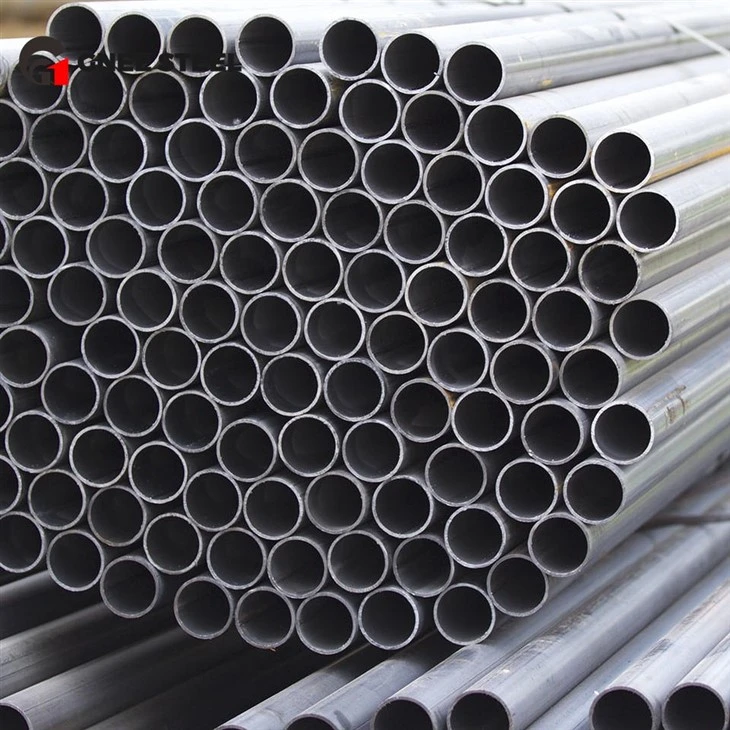

A213 T2 Alloy Steel Seamless Tubes are commonly used in high-temperature applications such as power generation, petrochemical, and refinery industries. Their excellent high-temperature strength and corrosion resistance make them ideal for use in boilers, heat exchangers, and other equipment operating at elevated temperatures.
A106 GRB Steel Pipe is mainly used in high-temperature and high-pressure applications in the power and industrial sectors. It is suitable for use in steam lines, boiler tubes, and other components that require high strength and reliability at elevated temperatures.
Advantages of API 5L X60
As a supplier of API 5L X60 steel tubes, I can attest to the many advantages of this grade of steel. API 5L X60 offers a combination of high strength, excellent weldability, and good corrosion resistance, making it a cost-effective solution for a wide range of applications. Its high strength allows for the use of thinner wall thicknesses, which can reduce the weight and cost of the pipeline or structure.
In addition, API 5L X60 is available in a variety of sizes and wall thicknesses, which provides flexibility in design and installation. The standardization of API 5L X60 ensures consistent quality and performance, making it a reliable choice for critical applications.
Conclusion
In conclusion, API 5L X60 differs from other grades of steel tubes in terms of its chemical composition, mechanical properties, weldability, corrosion resistance, and applications. Understanding these differences is essential for customers to select the most suitable steel tubes for their specific needs. As a supplier of API 5L X60 steel tubes, I am committed to providing high-quality products and excellent customer service. If you are interested in purchasing API 5L X60 steel tubes or have any questions about our products, please feel free to contact us for further information and to discuss your procurement requirements.
References
- API Specification 5L, Specification for Line Pipe
- ASTM A213, Standard Specification for Seamless Ferritic and Austenitic Alloy-Steel Boiler, Superheater, and Heat-Exchanger Tubes
- ASTM A106, Standard Specification for Seamless Carbon Steel Pipe for High-Temperature Service