

What is the lifespan of welded carbon steel pipes?
Jul 31, 2025
Hey there! As a supplier of welded carbon steel pipes, I often get asked about the lifespan of these pipes. It's a super important question, especially when you're making decisions about your piping systems. So, let's dive right in and explore what affects the lifespan of welded carbon steel pipes.
What's Welded Carbon Steel Pipe Anyway?
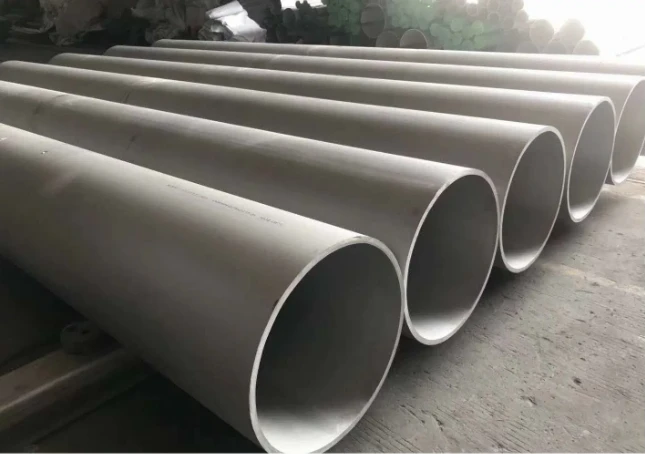
First off, let's quickly go over what welded carbon steel pipes are. They're made by taking flat steel plates or coils and rolling them into a tubular shape. Then, the edges are welded together. Carbon steel is a type of steel that contains carbon as the main alloying element. It's known for its strength, durability, and relatively low cost, which makes it a popular choice for a wide range of applications, from water and gas transportation to structural uses in buildings and bridges.
Factors That Affect the Lifespan
1. Environment
The environment where the pipes are installed plays a huge role in determining their lifespan. If the pipes are exposed to harsh conditions, like high humidity, corrosive chemicals, or extreme temperatures, they're going to wear out faster.
For example, in coastal areas, the air is full of salt, which can cause corrosion on the surface of the pipes. Over time, this corrosion can eat away at the metal, weakening the pipe and eventually leading to leaks or failures. Similarly, if the pipes are used in industrial settings where they come into contact with chemicals, the chemical reactions can also cause corrosion and damage.
On the other hand, if the pipes are installed in a dry, clean environment, they'll likely last much longer. For instance, pipes used in indoor plumbing systems that carry clean water usually have a longer lifespan because they're not exposed to the same harsh elements.
2. Quality of the Weld
The quality of the weld is another crucial factor. A well - welded joint is strong and resistant to cracking and leakage. If the welding process is not done correctly, there could be defects in the weld, such as porosity, lack of fusion, or cracks. These defects can act as weak points in the pipe, making it more susceptible to failure.
Professional welders use strict quality control measures to ensure that the welds are of high quality. They follow welding procedures that are designed to produce strong, reliable joints. When you're buying welded carbon steel pipes, it's important to choose a supplier who has a good reputation for producing high - quality welds.
3. Water or Fluid Quality
If the pipes are used to transport water or other fluids, the quality of the fluid can affect the lifespan of the pipes. Water that is high in minerals, such as calcium and magnesium, can cause scale buildup inside the pipes. Over time, this scale can reduce the flow capacity of the pipes and also create a rough surface that can promote corrosion.
Similarly, if the fluid contains contaminants or has a high acidity or alkalinity level, it can react with the carbon steel and cause corrosion. For example, in some industrial processes, the fluids may contain acids or bases that can eat away at the pipe walls.
4. Installation and Maintenance
Proper installation and maintenance are key to extending the lifespan of welded carbon steel pipes. During installation, the pipes need to be supported correctly to prevent stress and strain on the joints. If the pipes are not installed properly, they can develop cracks or leaks over time.
Regular maintenance is also essential. This includes inspecting the pipes for signs of corrosion, leaks, or damage, and taking appropriate action if any issues are found. For example, if there is a small leak, it should be repaired immediately to prevent further damage.

Typical Lifespan
So, what's the typical lifespan of welded carbon steel pipes? Well, it can vary widely depending on the factors we just discussed. In general, in a relatively mild environment with proper installation and maintenance, welded carbon steel pipes can last anywhere from 20 to 50 years.
However, in harsh environments, the lifespan can be significantly shorter. For example, in a highly corrosive industrial setting, the pipes may only last 5 to 10 years. On the other hand, in a well - maintained indoor plumbing system, the pipes could last 50 years or more.
How to Extend the Lifespan
If you want to get the most out of your welded carbon steel pipes, there are several things you can do. First, choose high - quality pipes from a reputable supplier. A good supplier will use high - grade steel and follow strict quality control measures during the manufacturing process.
Second, make sure the pipes are installed correctly by professional installers. They have the knowledge and experience to ensure that the pipes are properly supported and connected.
Third, implement a regular maintenance schedule. This includes inspecting the pipes, cleaning them if necessary, and performing any repairs or replacements as soon as problems are detected.
Finally, consider using protective coatings or linings on the pipes. These can help to prevent corrosion and extend the lifespan of the pipes. For example, epoxy coatings can provide a barrier between the pipe and the surrounding environment, reducing the risk of corrosion.
Related Products
If you're in the market for high - quality steel pipes, you might also be interested in the ASTM A312 Stainless Seamless Steel Pipe. This type of pipe is made from stainless steel, which is known for its excellent corrosion resistance. It's a great option for applications where corrosion is a major concern, such as in the chemical industry or in coastal areas.
Let's Talk!
If you're looking to purchase welded carbon steel pipes or have any questions about their lifespan or applications, I'd love to hear from you. Whether you're a contractor, an engineer, or a business owner, I can provide you with the information and products you need. Don't hesitate to reach out for a detailed discussion and let's work together to find the best piping solutions for your project.
References
- "Steel Pipe Handbook" - A comprehensive guide on steel pipes, covering manufacturing, properties, and applications.
- "Corrosion of Metals in Industrial Environments" - A research paper that delves into the effects of different industrial environments on metal corrosion.
- Industry standards and guidelines from organizations such as ASTM (American Society for Testing and Materials) and API (American Petroleum Institute).