

Adaptable Characteristics Of Steel Tubes
Aug 07, 2023
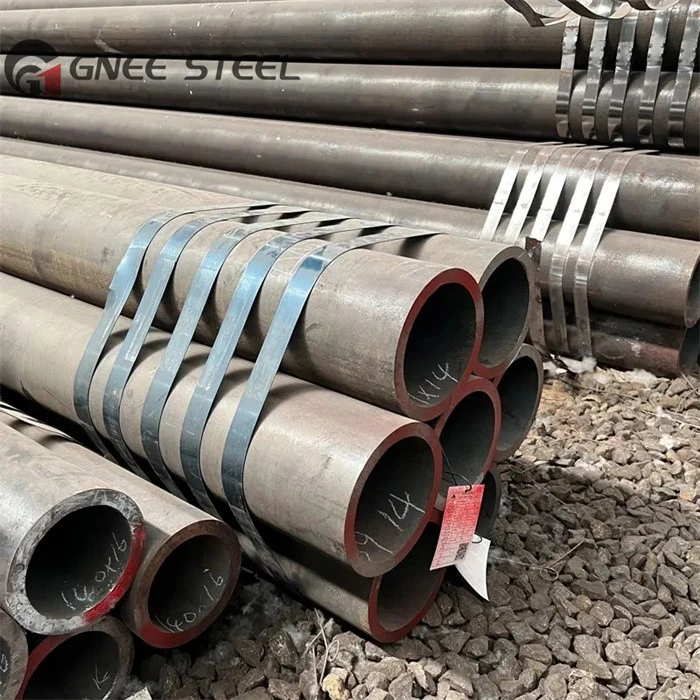
The adaptability of steel tubes means that steel tubes are able to maintain stable performance and performance in different application scenarios, working environments and process conditions. This means that steel tubes have the following characteristics and advantages:
Multi-functional applications: Adaptable steel tubes can be used in a number of different fields and applications, such as construction, engineering, petrochemicals, energy, automotive manufacturing and so on.
Multi-Environmental Adaptation: Steel tubes are adaptable to different environments, including high and low temperatures, corrosive, oxidising, humid, etc., and are able to perform well in different climates and working environments.
Multi-process adaptation: Steel pipe can adapt to a variety of processing and manufacturing processes, such as cold working, heat treatment, welding, etc., and will not lose its basic performance due to the change of process.
Strength and stability: Adaptable steel pipe usually has stable mechanical properties, no matter under static load, dynamic load, vibration or shock conditions, can maintain good strength and stability.
Durability and longevity: The adaptability of steel pipe contributes to its durability and longevity, extending the life of the equipment or structure and reducing maintenance and replacement costs.
Multiple applications: Steel pipe can be adapted to a variety of applications, including piping, structural support, heat transfer, etc., thus providing more flexibility in engineering design.
Stability of quality: The adaptability of steel pipe means that the production process and quality control can be more stable, reducing quality fluctuations and instability.
Sustainability: The adaptability of steel pipe helps to promote sustainability in engineering projects, reducing resource consumption and environmental impact by minimising material replacement and maintenance.


