

What is the effect of temperature on the corrosion of API 5L GRB Steel Pipe?
May 28, 2025
As a supplier of API 5L GRB Steel Pipe, I've witnessed firsthand the significance of understanding how environmental factors, particularly temperature, impact the corrosion of these pipes. API 5L GRB Steel Pipe is widely used in the oil and gas industry due to its excellent mechanical properties and weldability. However, corrosion remains a critical issue that can compromise the integrity and performance of these pipes over time. In this blog, I'll delve into the effects of temperature on the corrosion of API 5L GRB Steel Pipe, exploring the underlying mechanisms and practical implications for our customers.
Understanding Corrosion in API 5L GRB Steel Pipe
Corrosion is a natural process that occurs when metals react with their environment, leading to the deterioration of their physical and chemical properties. In the case of API 5L GRB Steel Pipe, corrosion can be influenced by various factors, including the composition of the steel, the presence of impurities, the nature of the surrounding medium (such as water, soil, or gas), and the temperature.
The basic mechanism of corrosion in steel involves the oxidation of iron (Fe) to form iron ions (Fe²⁺) and the reduction of oxygen (O₂) or other oxidizing agents. This process can be represented by the following chemical reactions:
Anode reaction: Fe → Fe²⁺ + 2e⁻
Cathode reaction: O₂ + 2H₂O + 4e⁻ → 4OH⁻
Overall reaction: 2Fe + O₂ + 2H₂O → 2Fe(OH)₂
The iron hydroxide (Fe(OH)₂) formed can further react with oxygen and water to form rust (Fe₂O₃·nH₂O), which is a porous and brittle substance that can accelerate the corrosion process.
Effect of Temperature on Corrosion Rate
Temperature plays a crucial role in determining the rate of corrosion in API 5L GRB Steel Pipe. Generally, an increase in temperature leads to an increase in the corrosion rate, although the relationship is not always linear.
1. Kinetic Effect
At higher temperatures, the kinetic energy of the molecules increases, which means that the reactants (iron atoms, oxygen molecules, and water molecules) move more rapidly. This leads to an increase in the frequency of collisions between the reactants, thereby increasing the reaction rate. According to the Arrhenius equation, the rate constant (k) of a chemical reaction is related to the temperature (T) by the following equation:
k = A * exp(-Ea/RT)
where A is the pre - exponential factor, Ea is the activation energy, R is the gas constant, and T is the absolute temperature. As the temperature increases, the value of exp(-Ea/RT) increases, resulting in an increase in the rate constant and thus the reaction rate.
2. Solubility of Gases
Temperature also affects the solubility of gases in the surrounding medium. For example, the solubility of oxygen in water decreases with increasing temperature. In an aqueous environment, a lower oxygen solubility can lead to a decrease in the rate of the cathode reaction, which in turn can slow down the overall corrosion rate. However, this effect is often outweighed by the kinetic effect at moderate to high temperatures.
3. Formation of Passive Films
At certain temperatures, a passive film can form on the surface of the steel, which can protect the underlying metal from further corrosion. For API 5L GRB Steel Pipe, the formation and stability of the passive film are strongly influenced by temperature. At low temperatures, the formation of a passive film may be slow or incomplete, while at high temperatures, the passive film may be destroyed or become less protective.
Practical Implications for Different Temperature Ranges
1. Low Temperatures
In low - temperature environments (below 0°C), the corrosion rate of API 5L GRB Steel Pipe is generally lower compared to higher temperatures. This is mainly due to the reduced kinetic energy of the reactants and the slower rate of chemical reactions. However, low - temperature environments can also pose other challenges, such as the formation of ice and the potential for brittle fracture. In addition, if the pipe is exposed to water or other corrosive substances that freeze, the expansion of the ice can cause mechanical damage to the pipe, which can accelerate corrosion. For applications in low - temperature environments, ASTM A333 Low Temperature Steel Pipe may be a more suitable choice, as it is specifically designed to withstand the harsh conditions at low temperatures.
2. Moderate Temperatures
In the moderate temperature range (around 20 - 60°C), the corrosion rate of API 5L GRB Steel Pipe increases with temperature due to the kinetic effect. The solubility of oxygen in water is still relatively high in this temperature range, which provides sufficient oxygen for the cathode reaction. In addition, the formation of a passive film may not be sufficient to protect the steel from corrosion. Therefore, proper corrosion protection measures, such as coating or cathodic protection, are often required to ensure the long - term integrity of the pipes.
3. High Temperatures
At high temperatures (above 60°C), the corrosion rate can increase significantly. The kinetic effect is more pronounced, and the passive film on the steel surface may be unstable or destroyed. In addition, high - temperature environments may also be associated with other corrosive factors, such as the presence of acidic or alkaline substances, which can further accelerate the corrosion process. For applications in high - temperature environments, special alloy steels or corrosion - resistant coatings may be necessary.
Impact on Pipe Performance and Lifespan
The corrosion of API 5L GRB Steel Pipe due to temperature can have a significant impact on its performance and lifespan. Corrosion can lead to a reduction in the wall thickness of the pipe, which can weaken the pipe and increase the risk of failure. In addition, corrosion products can accumulate inside the pipe, reducing the flow capacity and increasing the pressure drop. This can lead to operational inefficiencies and increased maintenance costs.
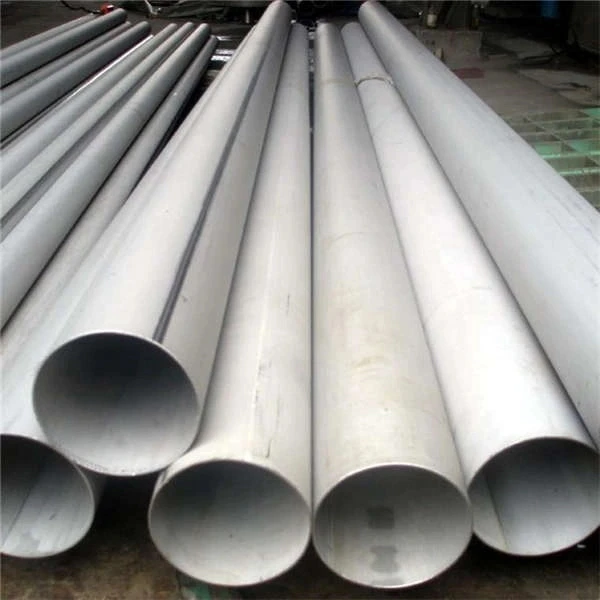
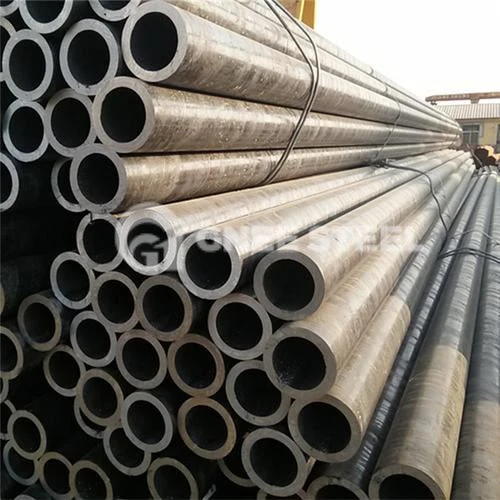
Over time, severe corrosion can cause leaks or ruptures in the pipe, which can result in environmental contamination, safety hazards, and significant economic losses. Therefore, understanding the effect of temperature on corrosion and implementing appropriate corrosion control measures are essential for ensuring the reliable and long - term operation of API 5L GRB Steel Pipe.
Corrosion Prevention Strategies
To mitigate the effect of temperature on the corrosion of API 5L GRB Steel Pipe, several corrosion prevention strategies can be employed:
1. Coating
Applying a protective coating to the surface of the pipe is one of the most common methods of corrosion prevention. Coatings can act as a barrier between the steel and the surrounding environment, preventing the access of oxygen, water, and other corrosive substances. There are various types of coatings available, such as epoxy coatings, polyethylene coatings, and zinc - rich coatings. The choice of coating depends on the specific application and the environmental conditions.
2. Cathodic Protection
Cathodic protection is a technique that involves applying an external electrical current to the pipe to make it the cathode of an electrochemical cell. This can prevent the oxidation of the steel and reduce the corrosion rate. There are two main types of cathodic protection: sacrificial anode cathodic protection and impressed current cathodic protection.
3. Material Selection
In some cases, selecting a more corrosion - resistant material may be a viable option. For example, A312 Pipe is a type of seamless carbon steel pipe that may offer better corrosion resistance in certain environments. Another option is Q295 Seamless Carbon Steel Pipe, which has specific mechanical and chemical properties that can be tailored to different applications.
Conclusion
As a supplier of API 5L GRB Steel Pipe, I understand the importance of providing our customers with high - quality products that can withstand the challenges of different operating environments. Temperature is a critical factor that can significantly affect the corrosion of these pipes, and understanding its effects is essential for ensuring the long - term performance and reliability of our products.
By implementing appropriate corrosion prevention strategies, such as coating, cathodic protection, and proper material selection, we can help our customers minimize the impact of temperature - induced corrosion on their API 5L GRB Steel Pipe. If you are in the market for API 5L GRB Steel Pipe or have any questions about corrosion prevention, I encourage you to contact us for further discussion and procurement. We are committed to providing you with the best solutions to meet your specific needs.
References
- Fontana, M. G. (1986). Corrosion Engineering. McGraw - Hill.
- Uhlig, H. H., & Revie, R. W. (1985). Corrosion and Corrosion Control: An Introduction to Corrosion Science and Engineering. Wiley.
- Roberge, P. R. (2008). Corrosion Engineering: Principles and Practice. McGraw - Hill.