

What is the difference between cast steel and forged steel valves
Aug 04, 2025
Cast steel valves and forged steel valves are two common valve materials on the market. Their differences primarily lie in the following five aspects:
1. Manufacturing Process:
Cast steel valves are manufactured through melting, pouring, and cooling, while forged steel valves are manufactured by heating the metal to its plastic deformation temperature and then forging it.
2. Material Properties:
Cast steel valves have a relatively dense structure, high strength and hardness, but relatively low toughness. Forged steel valves have a more uniform structure and finer grains, resulting in better toughness and impact resistance.
3. Application:
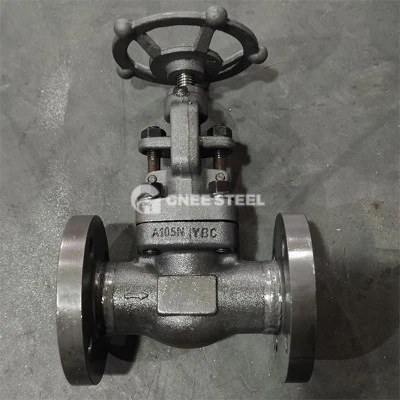
Cast steel valves are suitable for small and medium-sized valves operating at temperatures not exceeding 425°C, while forged steel valves are suitable for high-temperature, high-pressure, and large-diameter valves.
4. Price:
Due to differences in manufacturing processes and material properties, forged steel valves are more expensive than cast steel valves, resulting in a higher price.
5. Application:
Cast steel valves are suitable for general industrial applications, while forged steel valves are suitable for more demanding industries such as petroleum, chemical, and metallurgy.

In summary, although cast steel valves and forged steel valves are both common valve types, they differ significantly in manufacturing process, material properties, application scope, price, and applicable scenarios. Choosing the appropriate valve material requires careful consideration based on specific application requirements.


