What is low carbon steel pipe
Sep 26, 2023
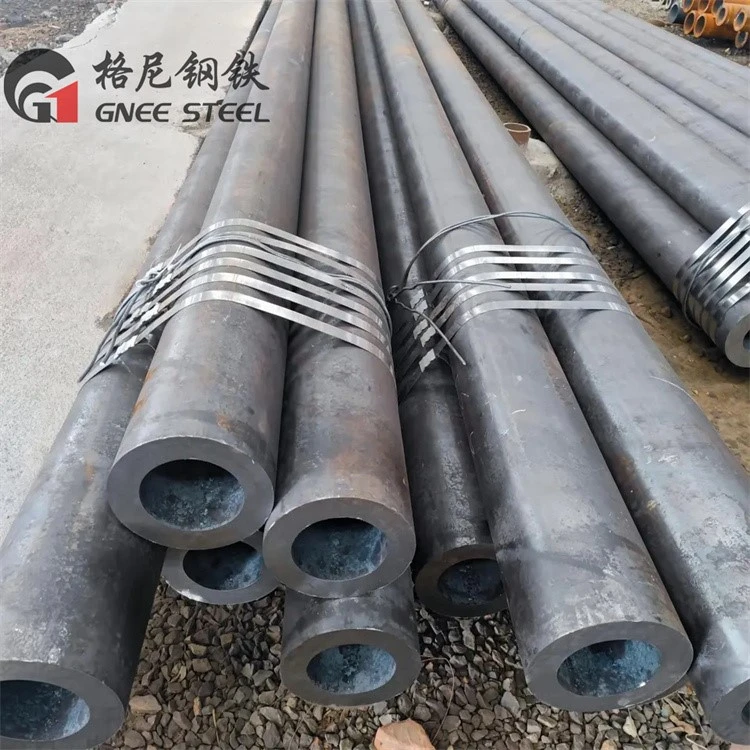
Low carbon steel pipe refers to a type of steel pipe that contains a relatively low percentage of carbon in its composition. Carbon steel is an alloy of iron and carbon, and its properties and characteristics vary depending on the amount of carbon present. Low carbon steel is defined by having a carbon content typically ranging from 0.04% to 0.30%. Here are some key characteristics and applications of low carbon steel pipes:
Machinability: Low carbon steel is also easy to machine, cut, and shape. This makes it suitable for applications that require precision machining and forming.
Ductility: Low carbon steel is relatively ductile, meaning it can be bent and stretched without fracturing or breaking. This property is important in applications where flexibility is required.
Strength: While low carbon steel is not as strong as high carbon or alloy steels, it still provides sufficient strength for many applications, particularly those where strength is not the primary consideration.
Corrosion Resistance: Low carbon steel is susceptible to corrosion and rust, especially in environments with high moisture or exposure to corrosive substances. In such cases, corrosion-resistant coatings or treatments may be applied to protect the steel.
Applications: Low carbon steel pipes find widespread use in a range of applications, including water supply, plumbing, HVAC (heating, ventilation, and air conditioning) systems, construction, and general-purpose piping.
It's important to note that while low carbon steel offers advantages like weldability and cost-effectiveness, its use may not be suitable for applications that require high strength, high-temperature resistance, or exceptional corrosion resistance. In such cases, other types of carbon steel or alloy steel pipes may be more appropriate.
Factory Environment